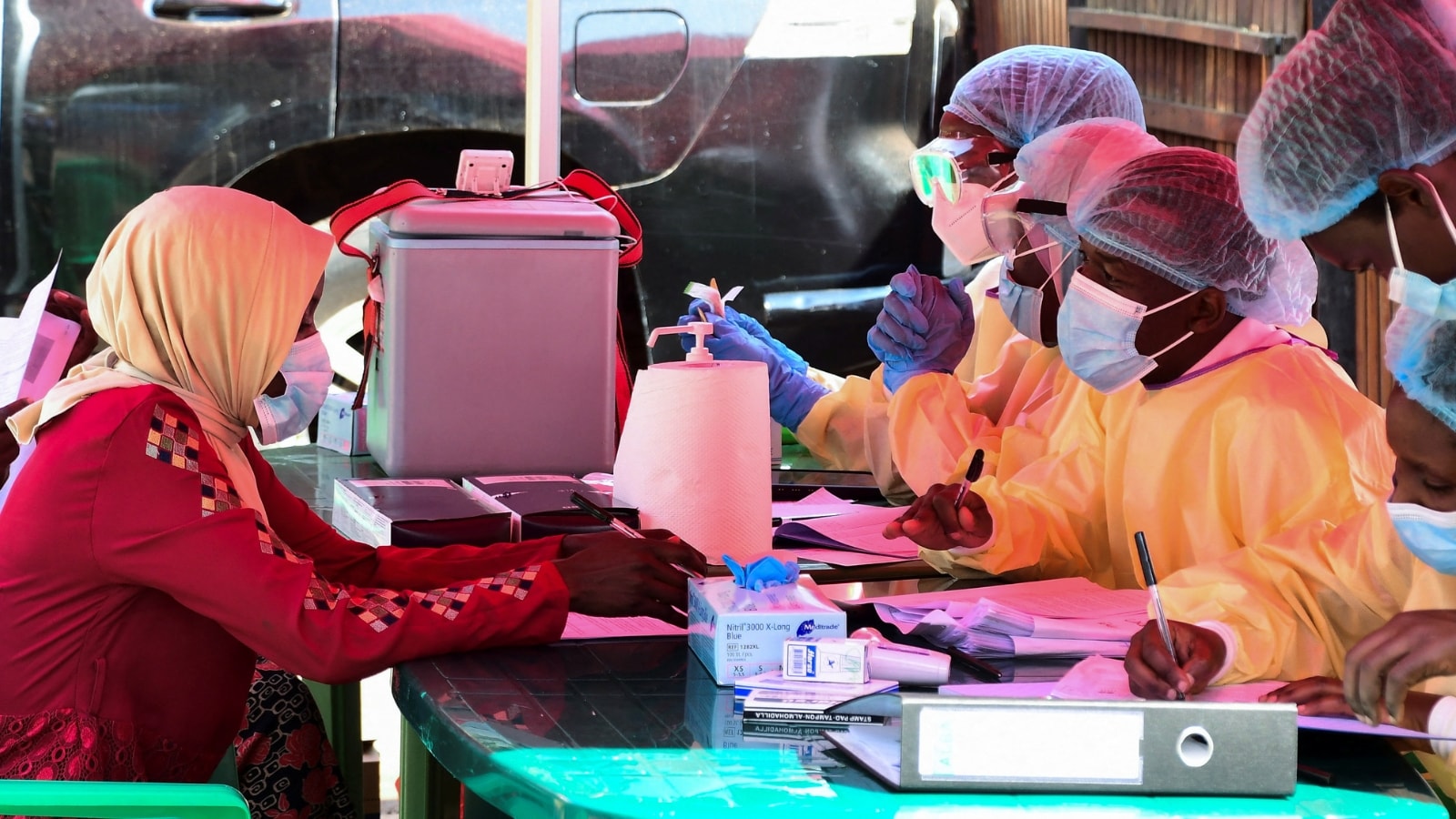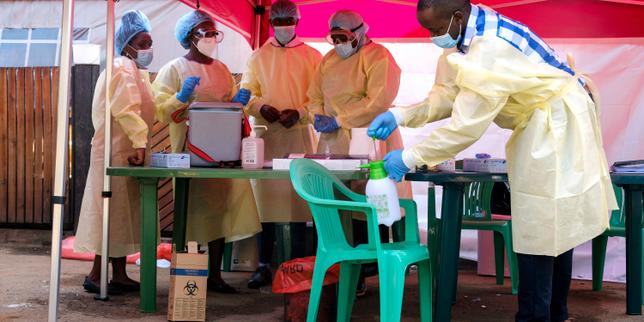
The Democratic Republic of Congo is facing another Ebola outbreak in its eastern provinces and honestly, it’s a story we’ve heard too many times before. Four people are dead. The World Health Organization and local health authorities are already on the ground in North Kivu. But if you think this is just another routine medical emergency in a distant land, you're missing the bigger picture. This isn't just about a virus. It’s about a broken system of global health security that only reacts when bodies start piling up.
Four deaths might sound small in a country of 100 million people. It’s not. In the world of hemorrhagic fevers, four deaths is a flashing red light. Ebola doesn't move slow. It waits for a gap in surveillance and then it sprints. We saw this in the 2018-2020 outbreak in the same region, which became the second-largest in history with over 2,200 deaths. The fact that it’s back in the east—a place defined by conflict and massive internal displacement—means the risk of a regional explosion is high.
Why the eastern DRC is a powder keg for Ebola
You can't talk about Ebola in the DRC without talking about the security mess in the east. North Kivu and Ituri are home to dozens of armed groups. People are constantly moving to escape violence. When you have a highly contagious virus like Ebola, human movement is the enemy.
Health workers aren't just fighting a pathogen. They’re fighting misinformation and deep-seated mistrust of authority. Imagine trying to track contacts of an infected person in a village where people are rightfully terrified of anyone in a uniform or a hazmat suit. It’s a nightmare. I’ve seen how quickly rumors spread—that the virus is a political ploy or a way for foreigners to make money. When people don't trust the clinics, they stay home. When they stay home, they die, and they infect their families.
The geography makes it harder too. We’re talking about dense forests and remote settlements. By the time a laboratory confirms a case, the virus has usually been circulating for weeks. Those four deaths are likely just the tip of the iceberg. We need to stop looking at these as isolated incidents and start seeing them as symptoms of a region that has been left to fend for itself for far too long.
The failure of reactive funding
Global health funding is a joke. It’s almost entirely reactive. We wait for the news reports to show up on international feeds before the big checks get signed. By then, it’s always more expensive and harder to contain.
The DRC has become world-class at managing Ebola because they have to be. Their scientists at the Institut National de Recherche Biomédicale (INRB) are some of the best in the world. They know how to use the Ervebo vaccine. They know how to run ring vaccination campaigns. But they shouldn't have to scramble for basic supplies every time a new case pops up.
We keep seeing the same pattern. An outbreak happens, the world freaks out for a month, the outbreak is contained, and then the world moves on to the next shiny thing. This "panic and neglect" cycle is why we’re back here again. If we invested in permanent, high-functioning local clinics instead of temporary emergency tents, these four deaths might have been zero.
What science tells us about the source
This isn't always a "new" spillover from bats. Recent genomic sequencing from previous Congolese outbreaks showed something terrifying. The virus can hide in survivors for years and then re-emerge. It stays in "immune-privileged" sites like the eyes or the testes.
This changes everything. It means an outbreak isn't just a random act of nature. It’s a lingering threat that requires long-term follow-up with survivors. We can't just clear a village and say the job is done. There’s a massive social stigma attached to being a survivor, which makes people hide their status. If we don't support survivors, we leave the door open for the virus to come back in two or five years.
The logistics of the current response
Right now, the response is focused on "the pillars." That’s epidemiological speak for contact tracing, safe burials, and vaccination.
- Contact Tracing: Finding every single person the deceased touched. In a war zone, this is nearly impossible.
- Ring Vaccination: Giving the vaccine to contacts and the contacts of those contacts. It works, but it requires a cold chain—keeping vaccines at ultra-low temperatures in a place with no reliable electricity.
- Safe and Dignified Burials: This is where most friction happens. Traditional burials involve touching the body. Ebola is most contagious right after death. If you force people to bury their loved ones in plastic bags without ceremony, they will hide the bodies. You have to involve community leaders or you’ve already lost.
Stop waiting for a global catastrophe
We need to change how we talk about "four deaths." In the West, we’re obsessed with whether a virus will cross the ocean. That shouldn't be the metric for caring. Those four people had families, and their community is now in a state of terror.
The Congolese government is doing the heavy lifting, but the international community owes them more than just a few press releases. We need to fund the INRB permanently. We need to make sure the vaccine stockpiles are actually accessible and not sitting in a warehouse in Europe while people in Beni are dying.
If you want to help or stay informed, stop looking at the sensationalist headlines. Look at the reports from Medecins Sans Frontieres (MSF) or the local Congolese health ministries. They’re the ones doing the actual work while everyone else just watches the numbers go up.
The next step is simple but hard. Support the organizations that build local capacity. Don't wait for the death toll to hit double digits before you care. The tools to stop Ebola exist; the political will to keep them ready is what's missing. Check the latest updates from the WHO African Region office and push for transparency in how emergency funds are being allocated right now.