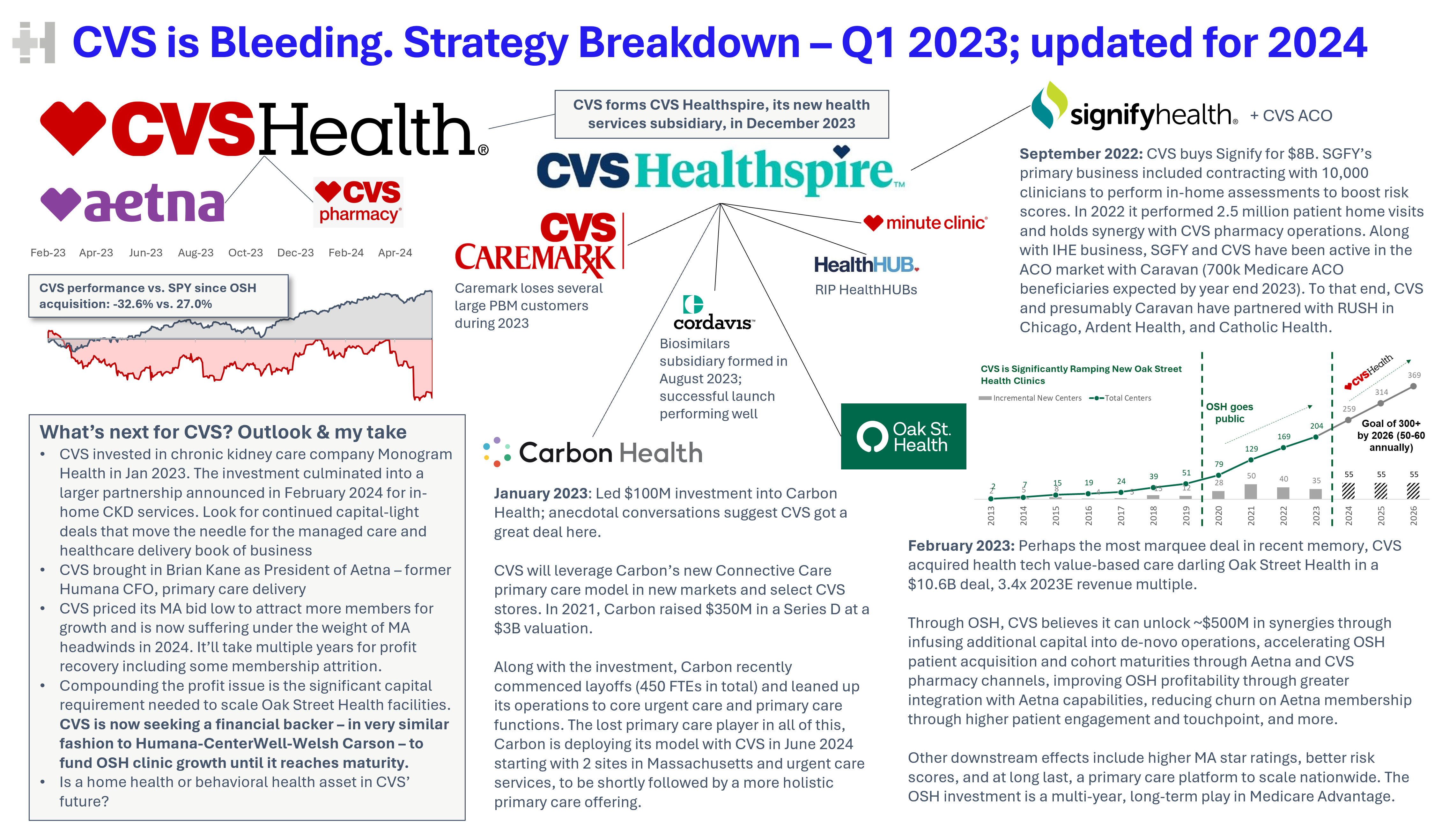
CVS Health isn't just a pharmacy anymore. It's a massive, multi-headed healthcare beast that spent most of last year trying to prove it could actually walk in a straight line. After a 2024 that felt like a slow-motion car crash for health insurers, the company just dropped its Q4 2025 results, and the numbers tell a story of a business that's finally stopped the bleeding.
They didn't just meet expectations; they hopped over them. Revenue hit $105.7 billion for the quarter, up over 8% from the previous year. For the full year, CVS cleared a record $402.1 billion. If you're looking for the TL;DR on why the stock isn't tanking despite the chaos in the insurance market, it's because CEO David Joyner is actually doing what he said he’d do: cutting costs, exiting bad markets, and focusing on profit over raw member count. Recently making waves lately: The Jurisdictional Boundary of Corporate Speech ExxonMobil v Environmentalists and the Mechanics of SLAPP Defense.
The Medicare Advantage Gamble is Paying Off
For a long time, the narrative around CVS and its Aetna wing was one of "growth at any cost." They chased Medicare Advantage members like a kid chasing an ice cream truck, only to realize the ice cream was way more expensive than they thought. Last year, the Medical Benefit Ratio (MBR)—essentially how much of every premium dollar goes to paying for care—spiked to scary levels.
In Q4 2025, that MBR sat at 94.8%. That sounds high because it is. But here's the kicker: it was expected. More importantly, for the full year 2025, the MBR dropped to 91.2%, down from 92.5% in 2024. That's a huge win in a world where seniors are using more healthcare services than ever. Further information into this topic are detailed by CNBC.
CVS is intentionally shrinking to get healthy. They’re dumping underperforming Medicare plans and exiting the Affordable Care Act (ACA) individual exchange market in 2026. They lost about half a million members last year, but the members they kept are actually making them money. It’s a "retrenchment" strategy that Wall Street usually hates, but right now, it’s exactly what the doctor ordered.
Fixing the Pharmacy Model from the Inside
We’ve all seen the headlines about "pharmacy deserts" and CVS closing hundreds of stores. It’s a PR nightmare, but a financial necessity. The old way of getting paid—where PBMs (Pharmacy Benefit Managers) and insurers play a shell game with drug prices—is dying.
Joyner and his team have spent 2025 pushing a "cost-based" reimbursement model. Basically, they want to be paid for the actual cost of the drug plus a transparent service fee. In Q4, they officially finished moving their Commercial, Medicare, and Medicaid businesses to this model. It makes their earnings way more predictable.
The Pharmacy & Consumer Wellness segment saw revenue jump 12.4% to $37.7 billion in the final quarter. Part of that was luck—they picked up a bunch of prescriptions when Rite Aid went belly up—but a bigger part is the shift toward high-margin specialty drugs and better purchasing power.
The Numbers You Need to Care About
If you're an investor or just trying to understand if this company is stable, these are the real benchmarks from the latest report:
- Adjusted EPS: $1.09 for Q4, beating the $1.00 forecast.
- 2026 Guidance: Reaffirmed at $7.00 to $7.20 per share. This is the "gold star" of the report. Holding steady when peers are lowering targets is a flex.
- Operating Cash Flow: $10.6 billion for 2025. That’s a lot of dry powder for paying dividends and paying down the massive debt from the Aetna/Oak Street/Signify acquisitions.
- Star Ratings: Over 81% of Aetna's Medicare Advantage members are now in 4-star plans or higher for 2026. This matters because higher stars mean more bonus money from the government.
Oak Street and the Primary Care Pivot
CVS spent billions on Oak Street Health, and for a while, it looked like a massive overpayment. They even took a $5.7 billion impairment charge on their health services unit earlier in 2025. But the Q4 results suggest the "primary care as a gatekeeper" strategy is starting to work.
They closed 16 underperforming clinics and slowed down new openings. Instead of just building more buildings, they’re using AI platforms (launched late last year) to identify high-risk Aetna members and funnel them into Oak Street clinics. The goal? Prevent that $50,000 hospital stay by spending $500 on better primary care. It’s the "integrated health" holy grail they’ve been preaching for five years.
The Real Risks Left on the Table
It's not all sunshine. The 2027 Medicare Advantage rate notice from the government was, in Joyner's words, "disappointing." The feds aren't paying as much as insurers want, and if medical costs keep rising, those 2026 profit targets will be hard to hit.
Then there's the regulatory heat. Congress is breathing down the neck of Caremark, CVS’s PBM. There’s a constant threat of "delinking" fees from drug prices, which could blow a hole in their margins. Plus, the FTC is still poking around insulin pricing.
What to do next
If you're holding CVS stock or thinking about it, don't just look at the store on the corner. That's the smallest part of the story. Watch the Medical Benefit Ratio in the next two quarters. If that number stays stable despite the "rate shock" from the government, the turnaround is real.
- Check the April rate announcements: This will tell you exactly how much the government will pay CVS for Medicare members in 2027.
- Monitor the PBM legislation: Any bill that forces "pass-through" pricing is a direct hit to Caremark’s current profit model.
- Look at clinic utilization: If Oak Street starts showing a path to break-even by mid-2026, the "integrated" model is finally proved.
CVS is currently a bet on management's ability to navigate a broken healthcare system. They've stopped the ship from sinking, but the water is still choppy. Honestly, they’ve bought themselves some time, but the next 12 months will decide if they're a growth company again or just a very large, very complicated utility.