China's electric vehicle market is currently a bloodbath. If you've been following the news, you know the domestic price war has shifted from a light skirmish to a full-blown "kill-or-be-killed" battle. But there's a weird paradox happening under the hood. While carmakers like BYD, Nio, and Xpeng are slashing prices to the bone just to keep their market share, the companies actually making the batteries—specifically CATL—are sitting on mountains of cash.
In the first quarter of 2026, Chinese domestic EV sales took a 21% dive. That’s a massive hit. You’d think the suppliers would be hurting just as bad, but they aren’t. The profit gap isn't just widening; it's becoming a canyon. CATL, the undisputed king of the hill, just reported earning about 230 million yuan ($31.8 million) in net profit every single day during Q1. To put that in perspective, CATL can earn in five months what BYD—the world’s most successful EV maker—earns in a whole year.
The supplier is the house and the house always wins
Most people assume that as car sales drop, everyone in the supply chain suffers. That's not how it's working in China right now. The battery is the most expensive part of an EV, accounting for 30% to 50% of the total cost. When a carmaker like Xiaomi or Geely gets into a price war, they have to cut their own margins to stay competitive. But they still have to buy the batteries.
The battery makers have the leverage. CATL controls nearly 40% of the global market and over 43% of the Chinese domestic market. They have the scale to keep costs low and the R&D budget to stay ahead of everyone else. While car brands are busy fighting over who can offer the cheapest sedan, CATL is diversifying. They aren't just selling to Chinese car companies; they're shipping batteries to Tesla, BMW, and Ford. When Chinese domestic demand slumped at the start of 2026, CATL simply leaned harder into its overseas exports, where margins are often 31% higher than at home.
Why carmakers are losing the math game
It's getting harder to make money selling cars in China. The government has started phasing out purchase tax exemptions—cutting them by 50% this year and planning to scrap them entirely by 2027. This has squeezed the consumer's wallet and forced manufacturers to eat the cost.
- Saturated Markets: In big Chinese cities, almost everyone who wants an EV already has one. The market is moving toward "replacement demand" rather than first-time buyers.
- Inventory Bloat: Exports have grown 57%, but those cars are often sitting in overseas ports or dealer lots. They haven't been registered or sold yet, leading to a massive inventory buildup that ties up capital.
- Vertical Integration Isn't a Magic Wand: Even BYD, which makes its own batteries (the famous Blade Battery), is feeling the heat. Because BYD is primarily a car company, its battery profits are essentially used to subsidize its car price cuts.
The export safety valve
If there’s one thing saving the Chinese auto industry from total collapse, it’s the export market. While domestic sales fell over 20% in Q1 2026, exports grew by nearly 60%. This is the "Great Rebalancing." Chinese brands are flooding Europe and Southeast Asia because they can charge significantly more there than they can in Shanghai or Shenzhen.
In Italy, for example, Chinese brands like Leapmotor are already grabbing huge chunks of the BEV market. But here’s the catch: the batteries in those exported cars are still coming from the same few suppliers. Whether a car is sold in Beijing or Berlin, the battery manufacturer gets paid. In fact, if a trade war or new tariffs force Chinese carmakers to build factories in Europe, they’ll still likely be importing the battery cells or the precursor materials from China. The battery giants have built a "toll booth" on the road to electrification.
Stop overthinking the price war
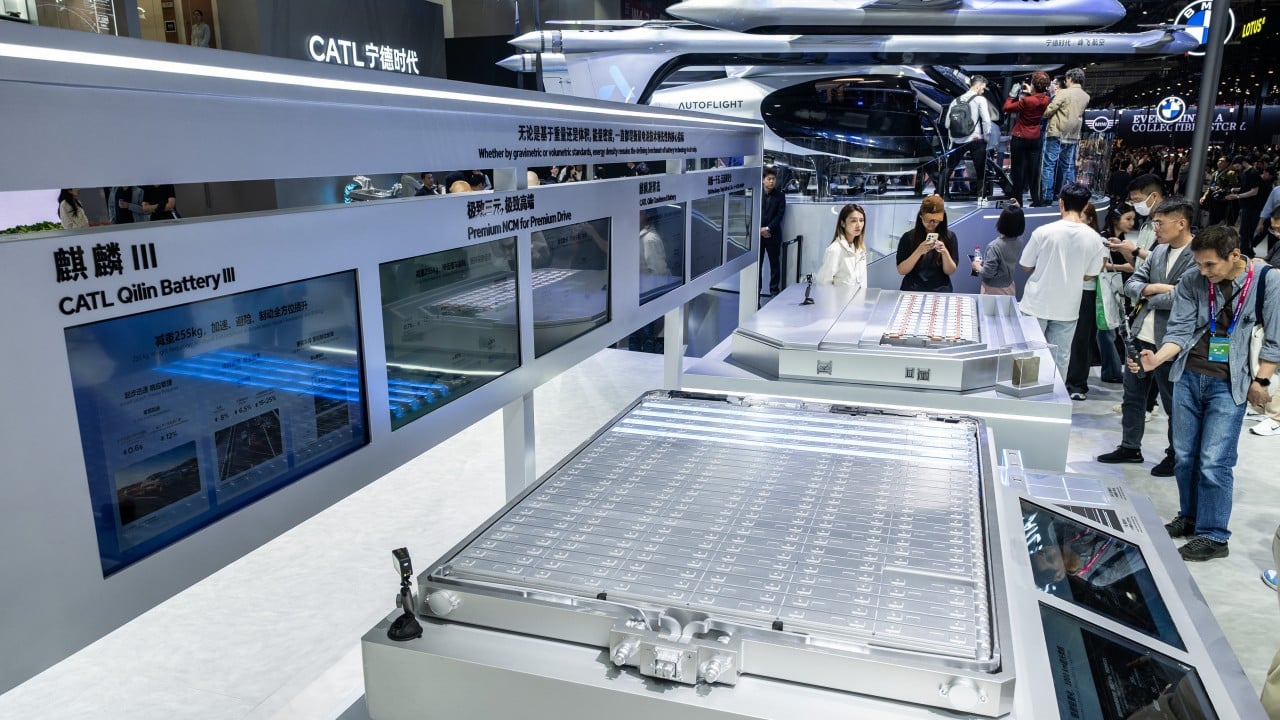
You might hear analysts say that battery prices are falling so fast that carmakers will eventually catch up on margins. Don't bet on it. While lithium prices have stabilized, the "tier 1" suppliers are already moving to the next thing. CATL’s new Shenxing Plus and Qilin batteries offer charging speeds and energy densities that smaller players can’t touch.
Carmakers are now in a tech race they can't afford. If you don't have the latest battery tech, your car is obsolete in six months. This forces carmakers to keep buying the newest, high-margin cells from the top suppliers. It’s a cycle that favors the guy selling the shovels, not the guy digging for gold.
What you should actually do about it
If you're an investor or a business lead in this space, looking at "total units sold" is a trap. It's a vanity metric that hides the underlying financial rot in the mid-to-low-end car segments.
- Watch the Utilization Rates: Smaller battery makers are running at 50% capacity. They're going to go bust or get swallowed up. Only the top three—CATL, BYD, and maybe CALB—have the scale to survive a prolonged downturn.
- Follow the Tech, Not the Hype: Look at who is actually shipping solid-state or sodium-ion pilots. If a car company doesn't have a clear path to proprietary battery tech (like Xiaomi is trying to do), they're just a glorified assembly plant for the battery giants.
- Ignore the "Oversupply" Myth: People say there are too many batteries. There are too many bad batteries. High-performance, high-density cells are still in high demand and command a premium.
The profit gap isn't a temporary glitch; it's the new reality. Until carmakers find a way to break the battery monopoly—or the government steps in to cap supplier margins—the "Ningwang" (King of Batteries) will keep taking the lions's share of the industry's wealth. If you're waiting for car margins to "normalize," you're going to be waiting a long time.