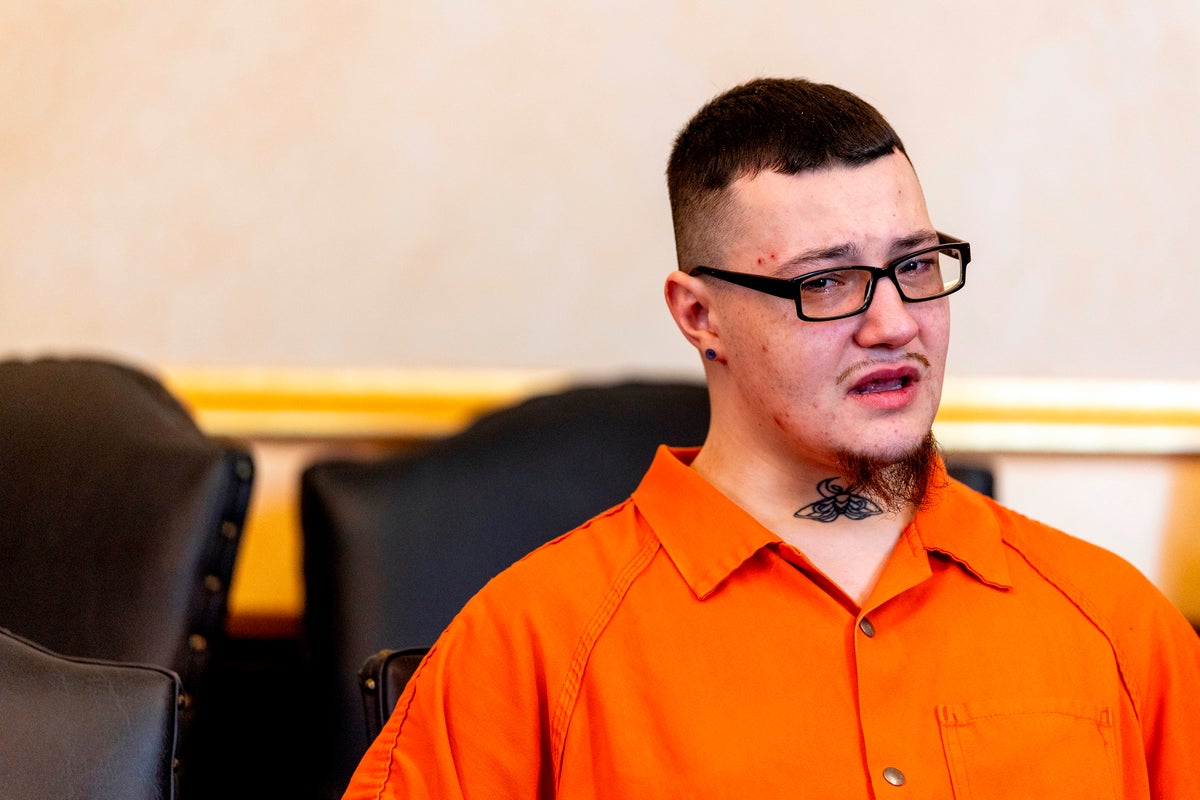
A wedding night usually marks the start of a life together. For Cody and Kimberly Acevedo, it marked the end of everything. On a night that began with vows and a celebration in Flint, Michigan, a violent confrontation between best friends turned a celebration into a crime scene. Cody Acevedo is now heading to prison for the death of his best friend and groomsman, Malik Gardner.
It's a story that sounds like a dark Hollywood script, but the reality is much more sobering for the families left behind. This wasn't a random act. It was a chaotic explosion of violence fueled by alcohol and a firearm. You don't often see a groom trade his tuxedo for a prison jumpsuit before the honeymoon even starts. But that’s exactly what happened here.
The Night a Celebration Turned Fatal
The details coming out of the courtroom paint a grim picture of August 2024. The wedding reception was over. The guests had gone home. Only the inner circle remained. Cody Acevedo, Malik Gardner, and Acevedo’s new wife, Kimberly, were together when things went south.
Witnesses and investigators say an argument broke out. It escalated quickly. In the heat of the moment, Cody Acevedo pulled a gun. He shot Malik Gardner. His best friend. The man who had likely stood beside him hours earlier as he promised to be a better man. Gardner didn't survive.
People think these types of crimes happen in the shadows or during robberies. They don't. Often, they happen in living rooms and backyards among people who claim to love each other. The sheer proximity of the victim to the shooter makes this case particularly gut-wrenching. You’re looking at a total collapse of trust and restraint.
Sentencing and the Legal Fallout
Cody Acevedo stood before a judge recently to face the music. He was sentenced to a term of 15 to 30 years in prison. That’s a long time to think about a single moment of rage. He pleaded no contest to second-degree murder. In the legal world, a no contest plea basically means you aren't admitting guilt, but you're accepting the punishment because the evidence is stacked against you.
The judge didn't hold back. Taking a life over a drunken dispute is an absolute waste. It’s a waste of the victim's potential and a waste of the shooter's life. The court heard emotional statements from Gardner’s family. They lost a son and a friend. They didn't just lose him to death; they lost him to a betrayal by someone he trusted.
What Happens to the Bride
Kimberly Acevedo isn't walking away clean either. While she didn't pull the trigger, her actions after the shooting put her in the crosshairs of the law. She’s facing charges related to the aftermath—specifically, lying to peace officers and being an accessory after the fact.
Her sentencing is scheduled for later. It’s a reminder that when a crime occurs, the "loyal spouse" defense only goes so far. If you help cover up a murder, you're a part of the tragedy. The prosecution argues she wasn't truthful with investigators during the initial hours of the probe. That’s a massive mistake. When the police show up at a homicide scene, every word you say is under a microscope.
Alcohol and Guns are a Lethal Combination
We need to talk about the elephant in the room. Alcohol. Wedding receptions are notorious for heavy drinking. When you mix high emotions, intoxication, and easy access to firearms, you're basically building a bomb.
Michigan law is clear about firearm possession while intoxicated, but this went way beyond a simple violation. This was a complete breakdown of firemarm safety and personal responsibility. If you own a gun, you're responsible for it 24/7. That responsibility doesn't vanish just because you had a few drinks at your wedding.
The defense might try to point to the chaos of the night or the level of intoxication. Honestly, that rarely holds water in a murder case. Being drunk isn't a "get out of jail free" card for killing someone. It's an aggravating factor. It shows a lack of judgment that led to a permanent, irreversible consequence.
The Impact on the Flint Community
Flint has seen its fair share of tough times. Violent crime isn't new to the area, but this case hit a nerve. It’s personal. It happened in a residential neighborhood among friends. It shatters the sense of safety people feel in their own homes.
Local advocates for gun safety often highlight cases like this. They aren't talking about gang violence or street crime. They’re talking about "interpersonal violence." This is when a domestic dispute or a friend-on-friend argument turns deadly because a weapon was too close at hand.
Lessons From a Tragedy
If there's anything to take away from this disaster, it's the importance of de-escalation. We live in a culture where people feel the need to "win" every argument. When you add a weapon to that mindset, nobody wins.
- Walk away. If an argument gets heated, especially when drinking, just leave. It sounds simple. It’s actually hard to do in the moment. But walking away saves lives.
- Secure the weapons. If you're hosting an event where alcohol is served, guns should be locked in a safe. Period. No exceptions.
- Truth matters. If you're a witness to a crime, trying to protect a loved one by lying usually ends with you in a cell right next to them.
Cody Acevedo’s wedding night will be remembered for all the wrong reasons. Malik Gardner’s family has to live with a hole in their lives that won't ever be filled. The legal system did its job, but a prison sentence doesn't bring anyone back. It’s a stark, ugly reminder that life can change in a second when you let anger take the wheel.
Make sure your home is a safe space by keeping firearms locked away during social gatherings. If you find yourself in a situation that’s escalating, be the person who de-escalates or leaves the room. It’s better to be the person who walked away than the person facing 30 years in a state facility.