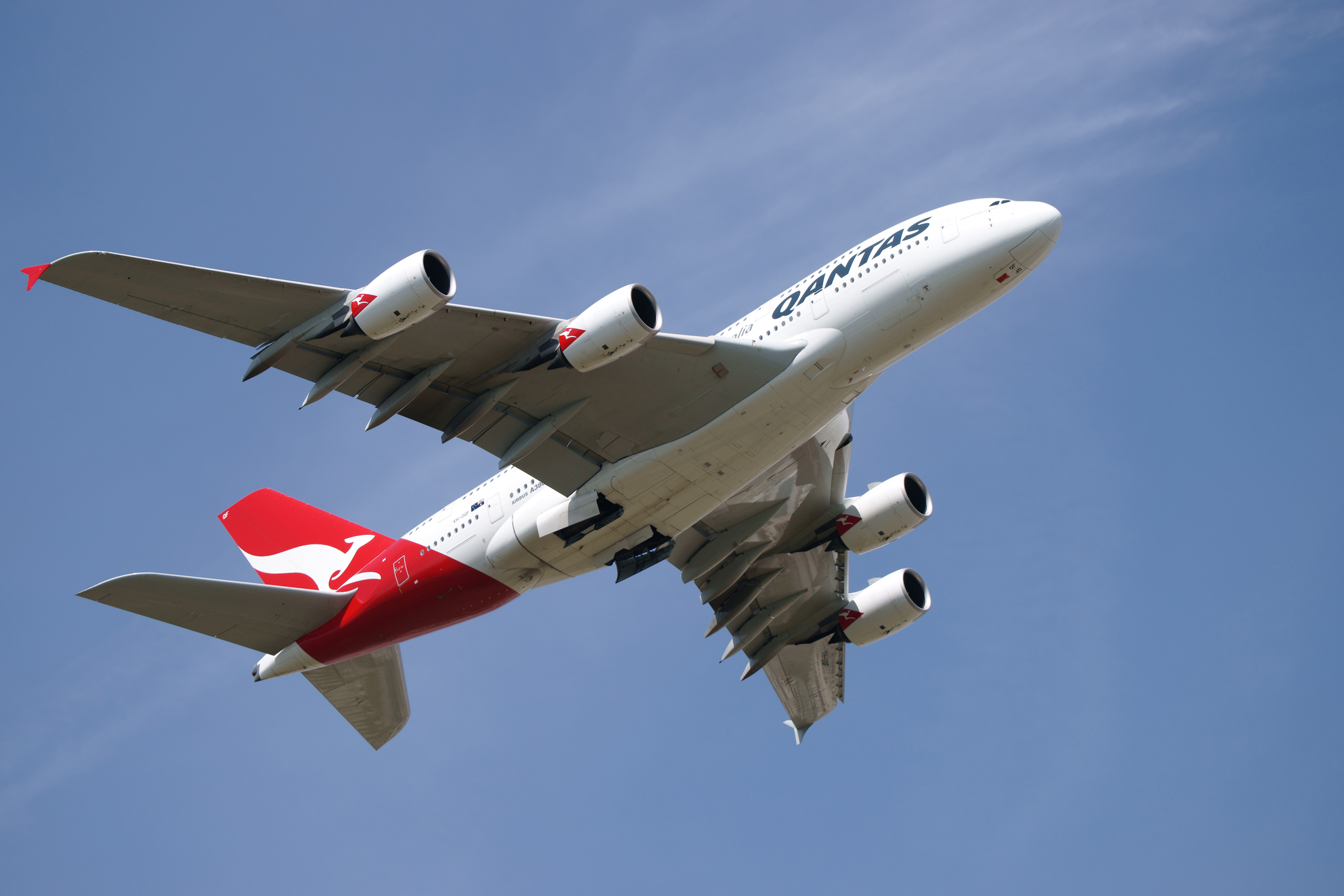
When a passenger dies on a long-haul flight, the world stops for those in the immediate vicinity while the engines keep humming at five hundred miles per hour. This week’s tragedy aboard Qantas flight QF103, traveling from Perth to Auckland, is not a freak occurrence or a statistical anomaly. It is the grim byproduct of an aviation industry pushing the limits of human endurance and a global population that is flying older, sicker, and longer. A woman in her 50s lost her life despite the frantic efforts of crew members and medically trained passengers who performed CPR for over an hour. The aircraft landed, the police met the gate, and the news cycle moved on. But the incident exposes a massive, systemic vulnerability in how we handle life and death in the pressurized tube of a modern jetliner.
Aviation safety is obsessed with mechanical failure, yet the most common threat to life on a plane is the human heart. Statistics suggest that a medical emergency occurs in approximately one out of every 600 flights. While most are minor—fainting, hyperventilation, or gastrointestinal distress—the "big one" is always a heartbeat away. When it happens, the cabin becomes the most isolated intensive care unit on Earth. You are seven miles up, hours from a hospital, and dependent on a kit that is often less equipped than a standard suburban ambulance.
The Illusion of the Flying Infirmary
Most passengers assume that because they paid thousands of dollars for a ticket, the airline has a sophisticated plan for their survival. The truth is more pragmatic. Flight attendants are trained in basic life support, not advanced medicine. They are first responders in scarves and vests, tasked with managing a panicked crowd while pumping the chest of a person on a thin carpet in a cramped galley.
The onboard Medical Emergency Kit (MEK) is a point of contention among flight surgeons and advocacy groups. While regulations require automated external defibrillators (AEDs) and basic drugs like epinephrine or nitroglycerin, the inventory is surprisingly sparse. If a passenger suffers a massive stroke or a complex cardiac event, the "kit" is a stopgap, not a solution. Airlines rely heavily on the "Good Samaritan" gamble—the hope that a cardiologist or an ER nurse happens to be sitting in 12B.
The Doctor on Board Dilemma
When the call for a doctor goes out over the intercom, a complex legal and ethical machine begins to grind. Many physicians hesitate. They are operating outside their specialty, in a vibrating, noisy environment, with limited tools and zero patient history.
Liability is a shadow that hangs over these moments. While the Aviation Medical Assistance Act in the United States protects those who help, international laws vary wildly. A doctor stepping up on a Qantas flight or a Lufthansa leg might face different legal standards if the outcome is poor. This creates a split-second hesitation that can be the difference between a pulse and a corpse. Furthermore, the "volunteer" often has to work with a ground-based medical consultant via a scratchy radio link, adding a layer of bureaucratic lag to a situation where every second strips away brain cells.
The Long Haul Strain
We are currently in the era of "Ultra-Long-Range" (ULR) travel. Flights lasting 17, 18, or 20 hours are becoming the standard for premium carriers. This isn't just a feat of engineering; it is a physiological stress test.
Extended periods in a low-humidity, low-pressure environment cause the blood to thicken and the veins to narrow. Dehydration is a constant. The oxygen saturation in your blood at cruise altitude is significantly lower than it is at sea level. For a healthy 25-year-old, this is a minor annoyance. For a 60-year-old with undiagnosed hypertension or a history of clotting, it is a recipe for disaster.
The Silent Killer in Economy
Deep Vein Thrombosis (DVT) remains the silent predator of the skies. When you sit immobile for ten hours, blood pools in your lower extremities. A clot forms. When you finally stand up to disembark, that clot can break loose, travel to the lungs, and cause a pulmonary embolism. It is sudden, violent, and frequently fatal.
Airlines promote "cabin exercises" in their glossy magazines, but the reality of modern "high-density" seating makes this nearly impossible. If you are wedged into a middle seat with a pitch of 29 inches, you aren't doing calf raises. You are staying still to avoid bumping your neighbor. The industry’s drive for fuel efficiency and passenger volume has directly compromised the physical well-being of the travelers. They are packing us in tighter while the flights get longer, and then wondering why the medical diversion rates are climbing.
The High Cost of Diversion
When a passenger collapses, the captain faces a brutal calculation. Diverting a wide-body jet like an Airbus A350 or a Boeing 787 is not like pulling a car over to the shoulder. It involves dumping tens of thousands of gallons of fuel to reach a safe landing weight, paying massive landing fees at an unscheduled airport, and potentially stranding hundreds of other passengers.
A single diversion can cost an airline anywhere from $50,000 to $500,000.
While every airline officially states that "passenger safety is the top priority," the economic pressure is immense. Pilots are in constant communication with ground-based medical services like MedLink, who help determine if the passenger can be "stabilized" until the destination or if an immediate emergency landing is required. This is a triage performed via satellite. If the person dies before the plane can touch down, the aircraft often continues to the original destination. There is no medical urgency for a body, and the logistics of offloading a deceased passenger in a foreign country where the airline may not have operations are a nightmare of red tape and international law.
Handling the Deceased
What happens when the CPR stops and the person is pronounced dead? This is the part of air travel no one wants to discuss. There is no morgue on a plane. In most cases, the body is moved to a row of empty seats, often in a higher class of service where there is more room, and covered with a blanket. If the flight is full, the deceased may remain in their seat, strapped in, next to horrified passengers for several hours.
The psychological trauma for the crew and the surrounding passengers is rarely addressed in the aftermath. They are expected to finish the service, hand out the chicken or pasta, and land the plane. The Qantas crew on QF103 followed protocol, but protocol is a cold comfort when you’ve just spent ninety minutes trying to breathe life into a stranger's lungs.
The Solution is Technical, Not Just Medical
If we are going to continue pushing the boundaries of flight time, the "first aid kit" approach is no longer sufficient. We need a fundamental shift in how aircraft are equipped.
- Real-time Biometric Monitoring: Premium passengers on long-haul flights could be offered wearable tech that syncs with the aircraft’s system, alerting the crew to heart rate spikes or drops in oxygen before a collapse occurs.
- Mandatory Physician Seats: Some analysts suggest that on ULR flights, airlines should offer a heavily discounted or free seat to a certified medical professional in exchange for them being "on call" during the flight.
- Enhanced Telemedicine: Current communication with ground-based doctors is often voice-only. High-speed Starlink-style connectivity should allow for a live video feed, enabling a doctor on the ground to see the patient’s pupils, skin tone, and the AED readout in real-time.
- Upgraded Medical Suites: New aircraft designs should include a dedicated, private space for medical treatment. Treating a cardiac arrest in the aisle is undignified and medically inefficient.
The aviation industry is currently riding a wave of post-pandemic demand, but it is ignoring the aging demographic of its most frequent fliers. We are seeing more people with "comorbidities"—diabetes, heart disease, obesity—taking 15-hour leaps across the ocean. The incident on Qantas wasn't a one-off tragedy; it was a warning.
Airlines must stop treating medical emergencies as a rare inconvenience and start treating them as an inevitable part of the business model. We have perfected the art of keeping the plane in the air. We are still failing at keeping the people inside it alive when their own systems fail.
Check your flight insurance. Wear your compression socks. Hydrate. Because once those cabin doors close, you are entering a space where the nearest hospital is several vertical miles away, and your life might depend on a stranger with a stethoscope and a plastic kit.