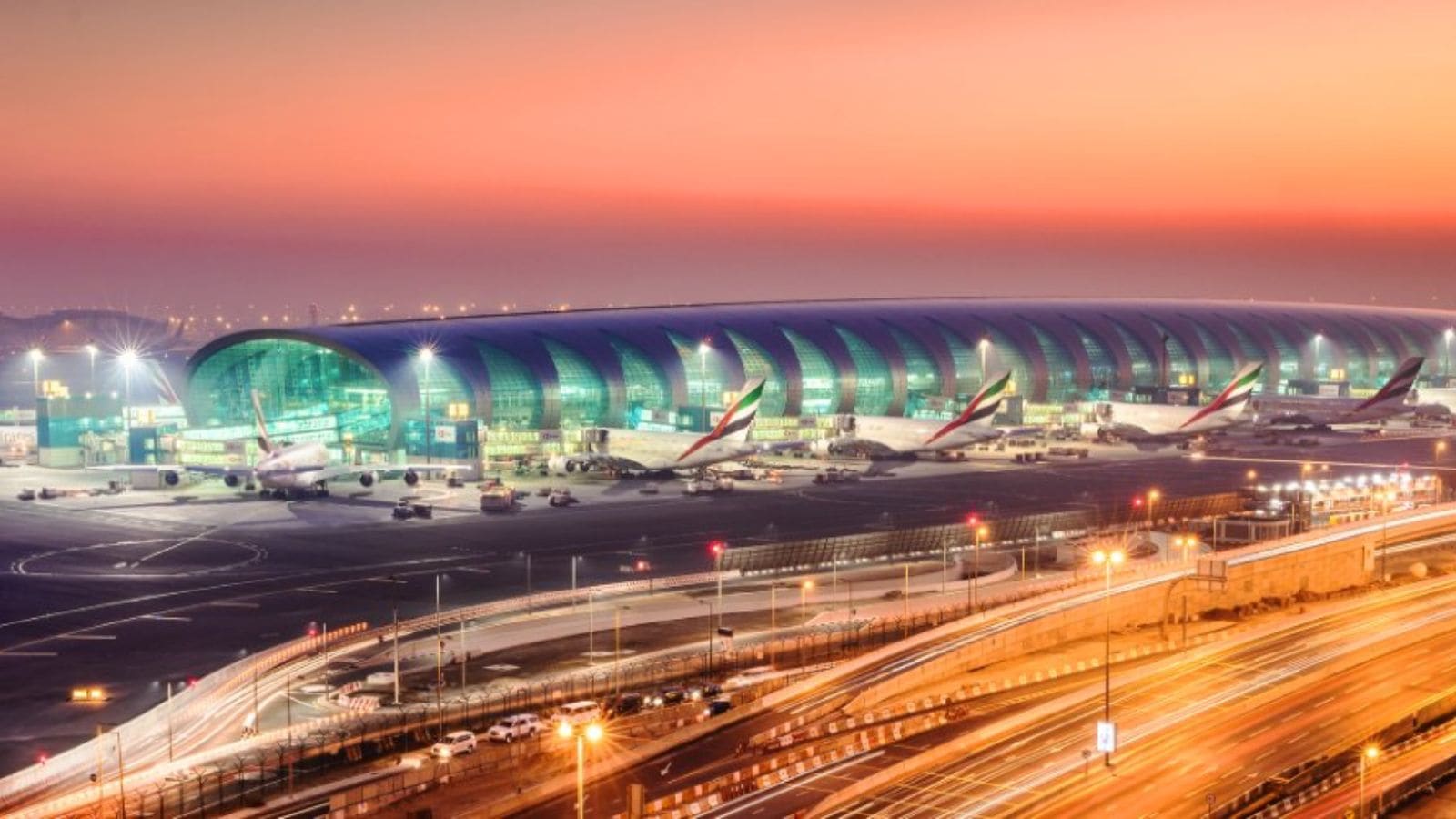
Imagine paying thousands of pounds for a sunset cocktail on a balcony in the Persian Gulf, only to find your luxury liner is effectively a floating fortress. That’s the reality for hundreds of Brits currently aboard a high-end cruise ship docked in Dubai. While the headlines scream about regional instability and the very real threat of Iranian maritime interference, the mood on deck isn't one of terror. It’s remarkably British.
The situation in the Strait of Hormuz has turned a standard luxury itinerary into a geopolitical waiting game. Most people would expect a sense of dread to permeate the mahogany-paneled lounges. Instead, the "Blitz spirit" is alive and well. Passengers are leaning into the absurdity of being stranded in one of the world's most opulent cities while warships patrol the horizon. They aren't cowering in their cabins. They’re hitting the buffet and making sure the gin doesn't run out.
When Geopolitics Interrupts Your All Inclusive Holiday
Travel in 2026 has become a game of navigating unexpected "red zones." The current tension involving Iran has caused a massive headache for cruise operators, specifically those running routes through the Gulf. When the maritime threat level spiked, several ships were ordered to stay put or divert. For those docked in Dubai, the "stay put" order turned a transit stop into an indefinite residency.
It's easy to look at this and see a nightmare. You’re stuck. You’re potentially in the path of a regional conflict. But if you talk to the people on the ground—or on the water—the perspective shifts. They see a safe harbor, a fully stocked bar, and a story to tell the grandkids. This isn't just about being "stuck" in a luxury hotel that happens to float. It’s about the psychological resilience of a specific type of traveler who refuses to let a global crisis ruin a perfectly good holiday.
The Logistics of a High Stakes Standstill
Cruise lines don't make these decisions lightly. The cost of keeping a ship in port is astronomical. Port fees, fuel for generators, and keeping thousands of staff on the payroll while the ship isn't moving toward its next destination eats into margins fast. Yet, the safety of the hull and the souls on board is the only metric that matters when the Iranian Revolutionary Guard is making moves.
Security protocols on these ships have quietly transformed. You won't see it in the brochure, but modern liners are equipped with advanced monitoring systems. They’re in constant communication with UK and US naval commands in the region. If you’re on board, you’re likely in one of the safest spots in the Middle East, even if the news ticker in the cabin tells a different story.
- Ships are maintaining "blackout" conditions at night in certain areas.
- Security personnel have been doubled on many Gulf-route vessels.
- Communication with the UK Foreign Office is constant and direct.
Why the Blitz Spirit Still Matters
The term "Blitz spirit" gets tossed around a lot, often incorrectly. But here, it fits. It describes that specific brand of stoicism where people deal with a massive, frightening situation by focusing on the small, manageable parts of their day. Can I get a decent cup of tea? Is there a quiz in the Atlantic Lounge at 4 PM? If the answer is yes, then the world isn't ending.
One passenger reportedly joked that they’d "rather be stranded in Dubai with a free bar than sitting in a rainy bus stop in Croydon." This isn't just bravado. It’s a coping mechanism that keeps the peace on board. When 2,000 people are confined to a single vessel under the threat of regional conflict, morale is your most important asset. If the passengers start to panic, the crew loses control. By keeping the party going, the cruise line ensures order.
The Financial Fallout and Your Rights
If you're watching this from home and wondering what happens to the money, the answer is complicated. Most cruise contracts have "force majeure" clauses. These basically say the company isn't liable for delays or itinerary changes caused by war, or the threat of it.
However, "brand damage" is a bigger threat than a lawsuit. Most lines are offering future cruise credits or partial refunds to keep people happy. If you find yourself in this situation, don't expect a full cash refund immediately. You're being fed, housed, and entertained. In the eyes of maritime law, the cruise line is fulfilling its primary obligation: keeping you alive and comfortable.
Practical Steps for Navigating Travel Uncertainty
If you have a trip booked through the Gulf or any high-tension region, don't just wait for the email from the travel agent. You need to be proactive. The world is too volatile for "wait and see" to be a viable strategy.
- Check your insurance fine print today. Many standard policies have "war and terrorism" exclusions. You might need a rider or a premium policy to cover cancellations due to regional instability.
- Register with the Foreign Office. Use the "Register Your Stay" services. It ensures the government knows where you are if an evacuation becomes necessary.
- Keep a "Go Bag" in your cabin. Even on a luxury cruise, have your passport, essential meds, and a power bank ready. It’s better to have it and not need it.
- Monitor independent maritime trackers. Apps like MarineTraffic show you exactly where the "hot spots" are. Don't rely solely on what the ship's captain tells you over the intercom.
The reality of 2026 travel is that the line between a luxury escape and a geopolitical event is thinner than ever. The Brits in Dubai have figured out the secret. You can't control the drones or the destroyers, but you can control your attitude toward the situation. If you’re going to be stranded, you might as well do it with a glass of champagne in your hand and a smile on your face. It's not about ignoring the danger. It's about refusing to give it the satisfaction of ruining your day.
Stay informed by checking the latest UK Maritime Trade Operations (UKMTO) alerts before you board any vessel in the Middle East. Information is the only thing that travels faster than a crisis.