The idea that the US dollar is about to vanish from the global stage is a fantasy. It’s a loud, politically charged fantasy, but a fantasy nonetheless. However, dismissing the BRICS currency rebellion as a nothingburger is just as dangerous. Something is shifting in the plumbing of global finance. You can feel it in the central bank gold purchases and the way trade deals are being signed in Shanghai and Riyadh. This isn't just about five countries wanting a new shiny coin. It’s about a coordinated, multi-decade attempt to build a financial world where Washington can't flip a switch and turn off your economy.
The dollar remains king because it has the deepest markets and a legal system people actually trust. But trust is a fragile thing. When the US froze Russian foreign exchange reserves in 2022, every country from Brazil to Indonesia sat up and took notice. They realized that if their foreign policy ever clashed with the White House, their savings could disappear overnight. That single event did more for de-dollarization than ten years of BRICS summits. Meanwhile, you can read related stories here: Why Sanctions are Actually Subsiding the Chinese Petro-State.
Why the BRICS Alliance is More Than a Talk Shop
For years, skeptics called BRICS a disparate group with nothing in common. They weren't wrong. China and India have border disputes. Brazil and South Africa have struggling economies. But the expansion to BRICS+ changed the math. By bringing in major energy players like Iran and the UAE, the bloc now controls a massive chunk of the world’s oil production. This is the heart of the rebellion.
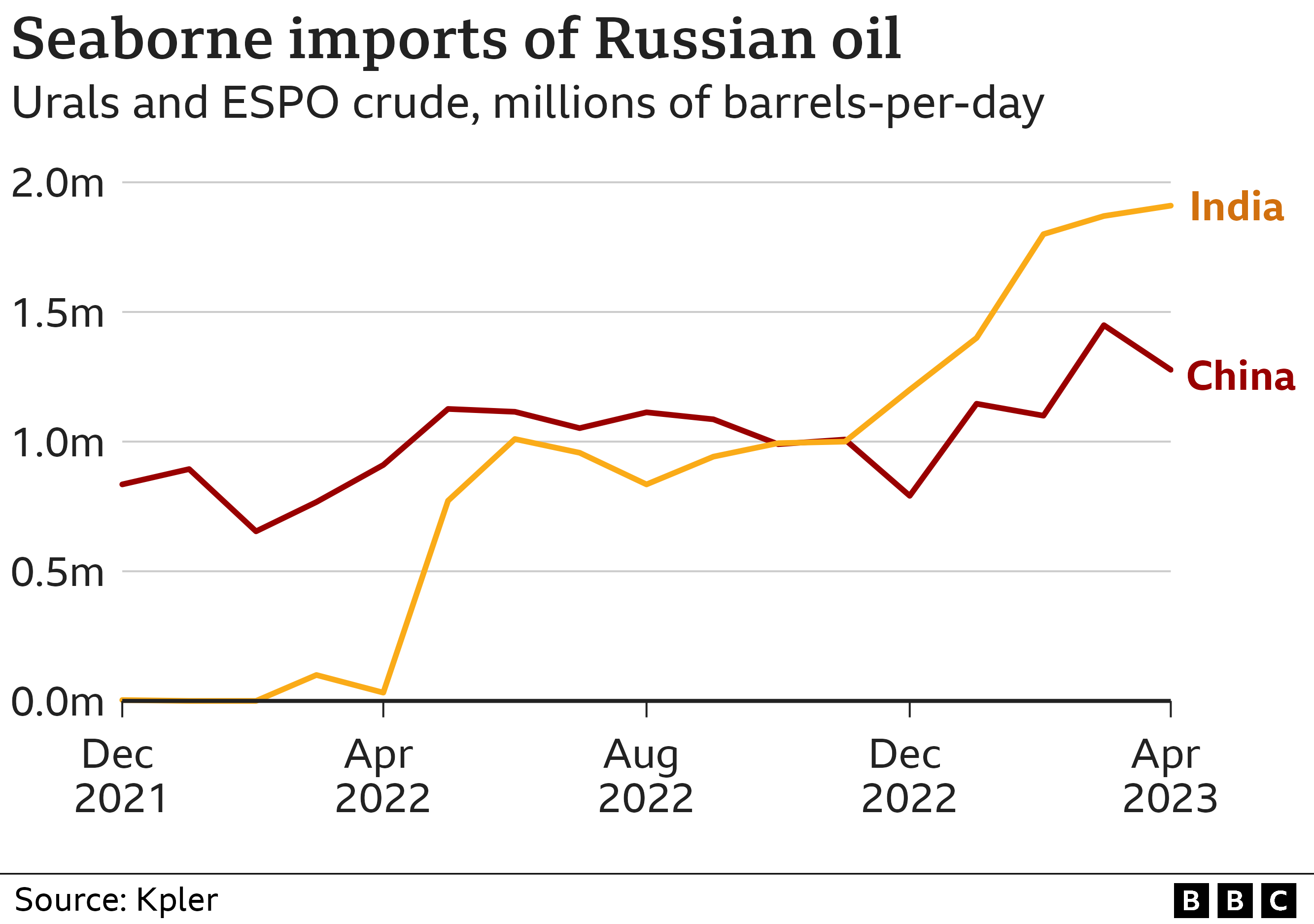
If you want to understand the threat to the dollar, look at the "petrodollar" system. Since the 1970s, the world bought oil in dollars. This meant every country had to hold greenbacks. Now, Saudi Arabia is open to accepting Chinese Yuan. India is buying Russian oil with Rupees. These aren't just isolated trades. They are cracks in the foundation. To understand the complete picture, we recommend the recent article by Bloomberg.
The BRICS bridge is a real project. They’re developing a blockchain-based multi-currency platform. Think of it as a way to bypass the SWIFT system entirely. If you don't use SWIFT, you don't need to follow US sanctions. That's the real goal here. It’s not about replacing the dollar in your wallet. It’s about creating a parallel universe where the dollar doesn't matter.
The Gold Standard 2.0 and the Search for Value
Central banks are hoarding gold at rates we haven't seen in decades. Why? Because gold has no sovereign risk. It doesn't belong to a government. China has been a massive buyer, steadily increasing its reserves while quietly trimming its holdings of US Treasuries. This is a massive red flag that people often ignore.
I’ve watched analysts argue that the Chinese Yuan can't replace the dollar because China has capital controls. They’re right. Nobody wants to hold a currency they can't easily move or sell. But the BRICS strategy isn't to make the Yuan the new king. They want a basket of currencies or a unit of account backed by hard assets like gold or rare earth metals.
The Problem With a Single BRICS Currency
Let's be real about the "BRICS coin" idea. Creating a common currency is a nightmare. Look at the Euro. It took decades and still causes massive friction between Germany and Greece. The BRICS nations have economies that are way too different to share a single central bank.
- China wants to keep its exports cheap.
- Russia needs high energy prices to fund its budget.
- India wants to protect its domestic manufacturing.
A single currency would force them to give up control over their own interest rates. None of these countries will ever do that. Instead, expect them to push for "local currency settlement." They’ll trade with each other using their own money, bypassing the dollar as the middleman. This reduces the demand for dollars, which eventually lowers the dollar's value. It’s a slow bleed, not a sudden heart attack.
Sanctions are the Secret Weapon That Backfired
Washington loves sanctions. It’s a cheap way to exert power without sending troops. But when you use a weapon too much, people develop an immunity. By cutting Russia out of the global financial system, the US forced the Kremlin to build its own alternatives.
Now, those alternatives are being offered to other countries. The "rebellion" is essentially an insurance policy. If you’re a mid-sized power in the Global South, you’re looking at the world and thinking, "I need a Plan B." BRICS is that Plan B. It’s an exit ramp from a US-centric world.
The data shows this isn't just talk. According to the IMF, the dollar’s share of global foreign exchange reserves has dropped from roughly 70% in 2000 to about 58% today. That’s a significant slide. While the dollar is still the most used currency for trade, the trend line is pointing down.
What This Actually Means for Your Portfolio
You shouldn't dump all your dollars and buy gold bars just yet. The US dollar still has the "exorbitant privilege." Most of the world's debt is priced in dollars. When things get ugly in the markets, people still run to the safety of US Treasuries. That won't change tomorrow.
However, the era of the "risk-free" dollar is over. Inflation in the US is harder to control when the rest of the world isn't forced to soak up our excess currency. If the demand for dollars drops globally, the cost of everything you buy—from gas to groceries—goes up because the dollar loses its purchasing power.
You need to watch the "petroyuan" developments closely. If the Saudis make a major shift in how they price their energy, that’s your signal to move. We’re moving toward a multipolar financial world. It’s going to be messier, more volatile, and much less predictable than the world we grew up in.
The Misconception of Military Might
A common mistake is thinking the US military protects the dollar's status. It helps, sure. But the dollar's power comes from the fact that it's easy to use and widely accepted. If a digital BRICS platform makes it just as easy to trade in a mix of Yuan, Rubles, and Gold, the military won't be able to stop it. You can't bomb a blockchain.
The coordinated effort we're seeing now is about building infrastructure. They’re laying the cables and writing the code for a new financial system. It’s boring work, but it’s more effective than any speech at the UN.
Navigating the New Financial Map
The smart move isn't to bet on a total US collapse. It's to stop assuming the current system is permanent. The BRICS rebellion is a symptom of a world that’s tired of a single country holding the remote control.
Don't ignore the gold market. It’s the ultimate barometer of trust in the dollar. When you see central banks in the East buying gold while the West sells, you’re seeing a transfer of power in real-time. Keep an eye on the growth of the BRICS New Development Bank. They’re already lending in local currencies, cutting the dollar out of the loop for infrastructure projects across Africa and Asia.
Start diversifying your exposure. If your entire net worth is tied to a single currency and a single legal system, you’re vulnerable to the whims of a divided Washington. The BRICS nations are diversifying their risk. You should probably do the same. Look at hard assets, look at international equities, and keep a very close eye on the energy markets. The rebellion has started, and it’s not going away just because it’s inconvenient for the West.