Hong Kong is at a crossroads and everyone knows it. The old pillars of finance and real estate aren't crumbling, but they're definitely feeling the weight of a changing global order. While the city scrambles to find its next big win, the answer has been staring us in the face from the harbor for decades. We've spent so much time looking at the skyline that we forgot to look at the water. The blue economy isn't just about fishing or shipping anymore. It's a massive, multi-billion dollar opportunity that combines tech, sustainability, and high-end services. It's the anchor the city needs to stop drifting.
More than just container ships and ferries
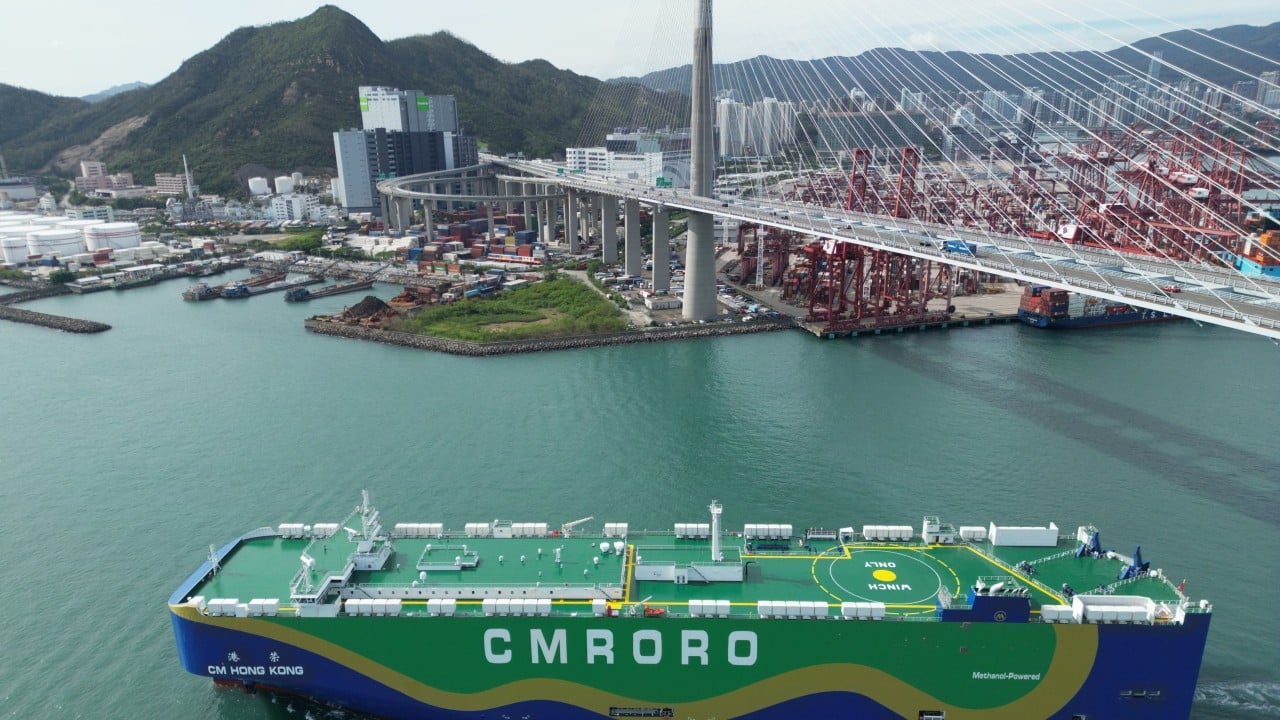
When people hear "maritime," they usually think of the Kwai Tsing Container Terminals. Sure, logistics is huge. But the blue economy is a much wider net. We're talking about marine biotechnology, offshore renewable energy, and sophisticated green financing for ocean projects. Hong Kong already has the legal framework and the capital. What's missing is the aggressive push to marry our tech startup scene with the ocean.
Think about the sheer scale of the Greater Bay Area. We have thousands of miles of coastline and a massive appetite for innovation. If Hong Kong doesn't grab the lead in marine tech, Shenzhen or Singapore will. We’ve seen this movie before. We wait too long, then play catch-up. Not this time. The ocean covers 70% of the planet, yet we treat it like a 2D surface for moving boxes from point A to point B.
The green transition needs a blue engine
Shipping is under massive pressure to decarbonize. The International Maritime Organization wants net-zero emissions by or around 2050. That’s a monumental task for a fleet of ships burning heavy fuel oil. This is where Hong Kong wins. We don't necessarily need to build the ships here—we don't have the space. We need to be the place that finances the transition.
Green bonds are already a thing here, but we need specific "Blue Bonds." These are financial instruments specifically designed to fund ocean-friendly projects. We have the stock exchange. We have the banks. Why aren't we the global hub for blue debt? It’s a natural fit. Investors are desperate for ESG-compliant assets that actually do something. Funding a fleet of hydrogen-powered vessels or a massive seaweed farming initiative in the South China Sea is a lot more tangible than buying carbon offsets from a forest halfway across the world that might burn down next summer.
Marine biotechnology is the new frontier
This is the part that gets overlooked. The ocean is a treasure chest of genetic material. Scientists are finding cures for diseases and new ways to make biodegradable plastics in deep-sea organisms. Hong Kong’s universities are world-class. Our labs are top-tier. Yet, most of our biotech funding goes into traditional pharmaceuticals or medical devices.
Imagine a startup at Science Park developing a new enzyme from South China Sea sponges that breaks down industrial waste. That's the blue economy. It's high-value, it's intellectual property-heavy, and it doesn't require thousands of acres of land. It requires brains and salt water. We have plenty of both.
Turning the tide on plastic and waste
Let’s be honest. Our waters could be cleaner. But instead of seeing the plastic problem as just a cleanup chore, we should see it as a circular economy play. There’s money in waste if you’re smart about it. Hong Kong can lead in waste-to-energy technologies that specifically target marine debris.
It’s not just about picking up bottles. It’s about creating a system where those materials are tracked, recovered, and processed back into the supply chain. Use blockchain for transparency. Use AI-driven drones to map trash gyres. This isn't science fiction. It’s happening in bits and pieces elsewhere, but no city has truly claimed the title of "Circular Ocean Capital." Hong Kong has the density and the proximity to manufacturing hubs to make this work.
Why Singapore is watching us closely
Singapore is always the benchmark. They're already pouring money into their "Blue Economy Strategy." They’ve got the Tuas Mega Port coming online. They’re investing in sea-level rise research and urban aquaculture. Hong Kong has a deeper natural harbor and a more direct line to the Chinese market. We shouldn't just copy them. We should out-maneuver them by focusing on the "soft" infrastructure—the law, the insurance, and the specialized data analytics.
Ship leasing is a great example. Hong Kong has tax concessions for ship leasing that are incredibly competitive. But we need to tie those concessions to "blue" criteria. If you’re leasing a dirty, old tanker, you pay full freight. If you’re leasing a state-of-the-art electric cargo ship, you get the break. Use the tax code to force the market to evolve. It's a simple lever that yields massive results.
Marine tourism and the premium lifestyle shift
We often forget that the blue economy includes the stuff people do for fun. Hong Kong has 263 islands. Most people only know three of them. There's a massive untapped market for sustainable, high-end marine tourism. This isn't about more crowded ferries to Lamma. It’s about eco-resorts that don't destroy the seabed, regulated yachting, and diving centers that focus on coral restoration.
The wealthy are moving away from conspicuous consumption and toward "impact experiences." They want to spend money on things that feel meaningful. A weekend spent participating in a reef-seeding project in Sai Kung is the new luxury. It creates jobs for local villagers, protects biodiversity, and brings in tourist dollars that stay in the community instead of leaking out to international hotel chains.
Stop overthinking the regulatory hurdles
The biggest complaint you hear in Hong Kong is that the government is too slow. Regulation is usually a decade behind innovation. In the blue economy, that's a death sentence. We need "regulatory sandboxes" in our territorial waters. Let companies test autonomous underwater vehicles. Let them trial new forms of aquaculture. If it fails, the only thing that gets wet is the equipment.
The risk of doing nothing is much higher than the risk of a failed pilot project. The traditional "wait and see" approach is why we missed the first wave of the fintech boom. We can't afford to miss the blue wave. It’s too vital to our identity as a maritime city.
Building the blue workforce
You can't have a new economy without people who know how to run it. We need to stop telling kids that "maritime" means working on a dock in the heat. It means data science. It means marine engineering. It means specialized maritime law. Our education system needs to pivot.
We should be seeing "Blue MBA" programs and marine tech certifications. We need to attract the best oceanographers and naval architects from around the world. Make it easy for them to get visas. Give them grants to set up shop here. If we build the talent pool, the companies will follow. It’s that simple.
Get moving on these three things today
If you're a business leader or a policymaker, don't wait for a five-year plan. The world moves too fast for that.
- Diversify your portfolio into marine-tech. If you’re in tech, look at how your sensors or AI models can be applied to the ocean environment. The hardware is harder, but the moat is much wider.
- Demand blue financial products. If you’re an investor, ask your bank why they don't have a blue bond or an ocean-focused ESG fund. Demand creates supply.
- Support local restoration. Look at organizations like the Archipelago Conservation or the Swire Institute of Marine Science. They’re doing the groundwork. Partner with them to turn their research into scalable business models.
The water isn't just something to look at through a window in Central. It’s our greatest asset. It’s time we started acting like it. Stop thinking of the ocean as a barrier and start seeing it as a bridge to a version of Hong Kong that actually works for the next century.