The mainstream media loves a neat, linear tragedy. When an infectious disease outbreak spirals out of control, the narrative machinery immediately spins up to find the standard culprits: faulty technology and backward cultural practices. We saw this choreography during the West African Ebola epidemic, and we see it every time a filovirus re-emerges. The consensus gets minted overnight. The articles practically write themselves: "Flawed tests and traditional funerals allowed the virus to spread undetected."
It is a comforting lie. It suggests that if we just import better diagnostic kits and force grieving communities to abandon their burial rites, the problem vanishes.
Having spent years analyzing public health infrastructure failures during crises, I can tell you that this analysis is not just superficial—it is dangerously wrong. The obsession with faulty rapid tests and funeral transmission misses the structural rot entirely. We are blaming the smoke for the fire. The reality is far more uncomfortable: containment fails because the top-down, Western-centric model of outbreak response is fundamentally incompatible with the realities of rural, underfunded health systems.
Stop looking at the laboratory errors. Start looking at the structural design of global health interventions.
The Myth of the Silver Bullet Diagnostic
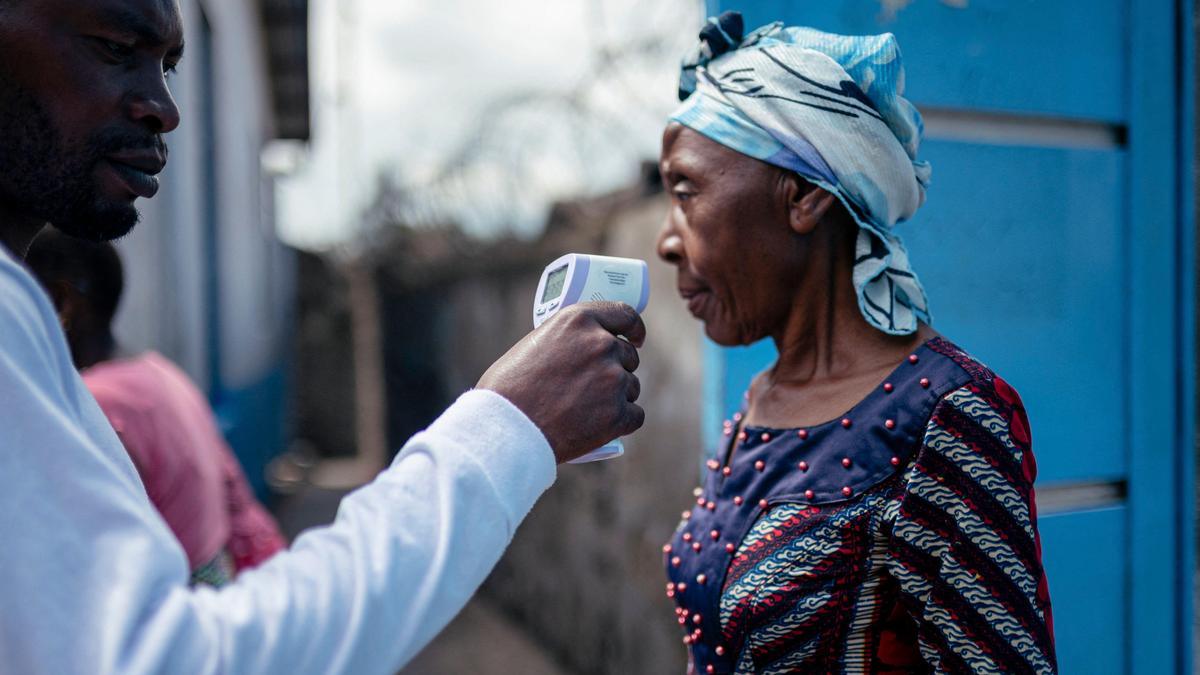
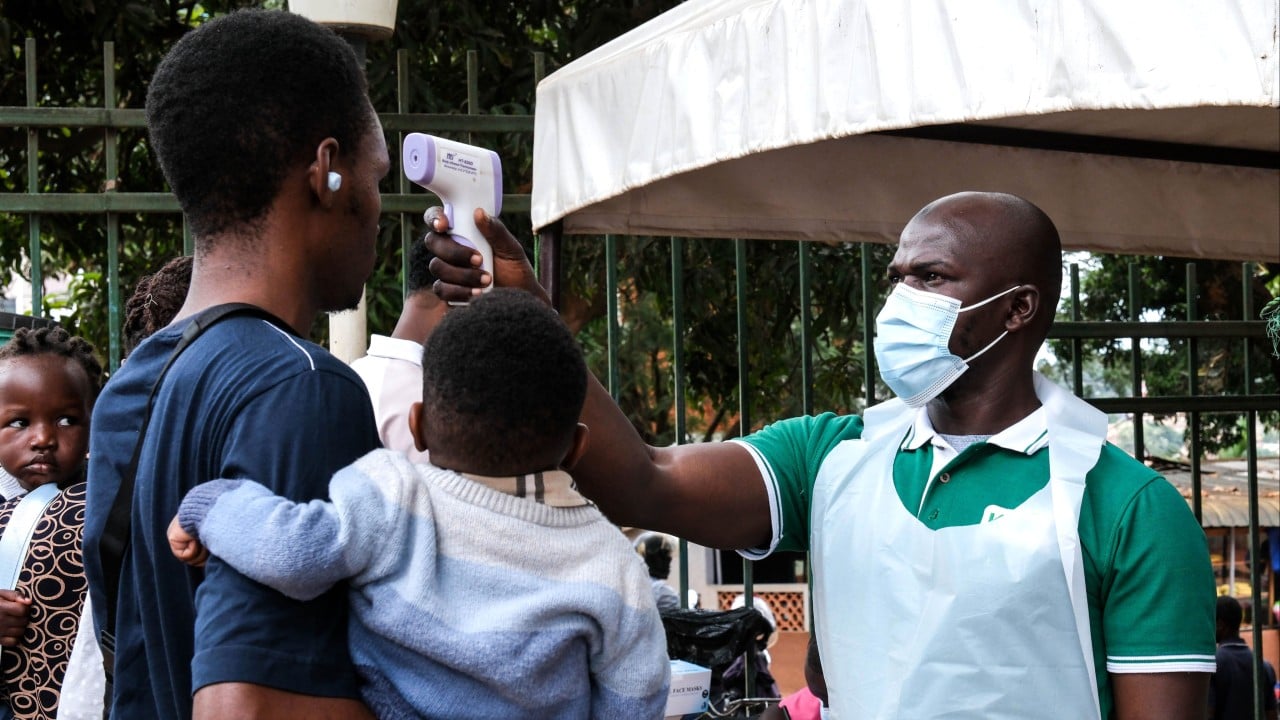
Every time an outbreak hits, the immediate reflex of international agencies is to deploy high-tech diagnostic tools. When those tools fail to stop the spread, the blame is placed squarely on the accuracy of the assay or the sensitivity of the reagents.
This is a fundamental misunderstanding of medical diagnostics in resource-constrained environments.
No test operates in a vacuum. A diagnostic tool with 99% sensitivity is entirely useless if the supply chain required to keep its reagents chilled breaks down between the capital city and the rural clinic. In field epidemiology, we talk about the difference between efficacy (how a tool works in a pristine lab in Geneva or Atlanta) and effectiveness (how it works in a clinic with intermittent electricity and a single overworked nurse).
When a rapid diagnostic test delivers a false negative, the failure rarely belongs to the manufacturer. It belongs to a system that assumes sophisticated molecular biology can be seamlessly dropped into an infrastructure that lacks consistent running water. Furthermore, an over-reliance on technology creates a false sense of security. I have seen international teams ignore glaring clinical symptoms of hemorrhagic fever—the profound malaise, the distinct gastrointestinal distress, the unexplained bleeding—simply because a flawed paper strip told them what they wanted to hear.
We have outsourced clinical acumen to plastic cassettes. When those cassettes fail, we pretend to be shocked.
The Scapegoating of Ritual Burials
The most insidious trope in outbreak reporting is the condemnation of local burial practices. The narrative is always framed around "superstition" or "resistance to science." Western experts arrive in protective suits, snatch bodies from grieving families, and dump them in chlorinated pits, wondering why the local population grows hostile.
Let's dismantle this using basic behavioral economics and anthropology.
A funeral is not an optional social gathering; it is a core mechanism of community cohesion and psychosocial processing. When global health authorities criminalize the mourning process, they do not stop the burials. They merely drive them underground.
Imagine a scenario where a family knows that if their loved one dies of a suspected illness, the body will be confiscated, the family will be forced into a stigmatized quarantine, and neighbors will shun them. What do they do? They stop bringing patients to the hospital. They hide the sick. They conduct secret, nighttime burials without any protective measures whatsoever.
By treating traditional funerals as an enemy to be eradicated rather than a vector to be negotiated with, public health officials actively incentivize the behavior that drives transmission. The problem is not the ritual itself; it is the authoritarian approach to infection control that transforms a manageable public health risk into a covert crisis.
The Real Variable: Systemic Medical Nihilism
Why does Ebola actually spread undetected for weeks or months? It is not because a specific test failed or because one family washed a body. It is because the everyday healthcare system in these regions is defined by what can only be described as medical nihilism.
In many endemic areas, the local clinic is a place you go to die, not to get cured. Decades of structural adjustment programs, defunded public sectors, and brain-drain of medical talent have left rural facilities stripped bare. When a patient arrives with a fever, the default assumption cannot be Ebola—it has to be malaria, typhoid, or Lassa fever, because those are the killer diseases that cycle through the population every single day.
+-----------------------------------------------------------------+
|               THE REALITY OF RURAL HEALTHCARE                   |
+-----------------------------------------------------------------+
| High Patient-to-Staff Ratios -> Chronic Exhaustion              |
| Absent Basic PPE             -> Default Cross-Contamination     |
| Intermittent Power Grid      -> Cold-Chain Diagnostic Failure   |
| Disenfranchised Population   -> Deep Distrust of Authorities    |
+-----------------------------------------------------------------+
When a health system is this fragile, an outbreak does not "break" the system—it merely exposes the fact that the system was already broken. The virus spreads undetected because the baseline surveillance is non-existent. Nurses are working without gloves. Needles are reused out of economic necessity. To blame a sudden spike in cases on a bad batch of tests is an insult to the structural poverty that actually fuels the amplification of the disease.
Dismantling the Consensus
Let's address the standard questions that echo through global health panels, using a lens stripped of institutional polite speak.
Why can't we just mandate safe, sterilized burials across the board?
Because mandates without trust equal non-compliance. If you do not have the cultural capital to convince a community that you respect their dead, your mandates will be subverted. The World Health Organization eventually learned this during the 2014–2016 outbreak, shifting toward "Safe and Dignified Burials" that allowed family participation from a distance. Yet, every time a new outbreak occurs, the instinctual response of local security forces is to revert to coercion. Coercion is the weapon of the unprepared.
Shouldn't we pour all our funding into distributing better, faster PCR machines?
No. You are building a roof on a house with no foundation. A PCR machine requires stable power, specialized technicians, regular calibration, and a supply chain of expensive reagents. If you dump millions into high-tech diagnostics while ignoring the fact that the clinic staff haven't been paid in four months, the machines will end up as expensive paperweights. Funding must prioritize unconditional baseline operational support: clean water, personal protective equipment, and living wages for local health workers.
The Hard Truth About Containment
The uncomfortable reality of my position is that shifting from a tech-centric, top-down intervention model to a community-led, horizontal health system model is slow, messy, and incredibly difficult to quantify on a corporate spreadsheet. International donors love buying pieces of equipment. They love funding "innovation." They hate funding nurse salaries and water pipes because you cannot put a corporate logo on a functioning sewage system.
If we continue to treat outbreaks as tactical tech failures rather than structural political failures, the cycle will repeat. The next filovirus will emerge, the tests will fail under field conditions, secret funerals will take place out of fear, and the media will write the exact same article they wrote a decade ago.
Stop looking for a defective batch of laboratory kits to blame. The defect is in the strategy.