The identification of "patient zero" in the recent lethal rat virus outbreak has finally stripped away the mystery of how a localized zoonotic event transformed into a public health crisis. It did not begin in a laboratory or a crowded urban center. It started with a birdwatcher at a sprawling, uncontrolled waste site often described by locals as "the end of the world." This individual, seeking rare migratory species attracted to the decay, inadvertently stepped into a biological flashpoint where decaying infrastructure met an exploding population of infected rodents.
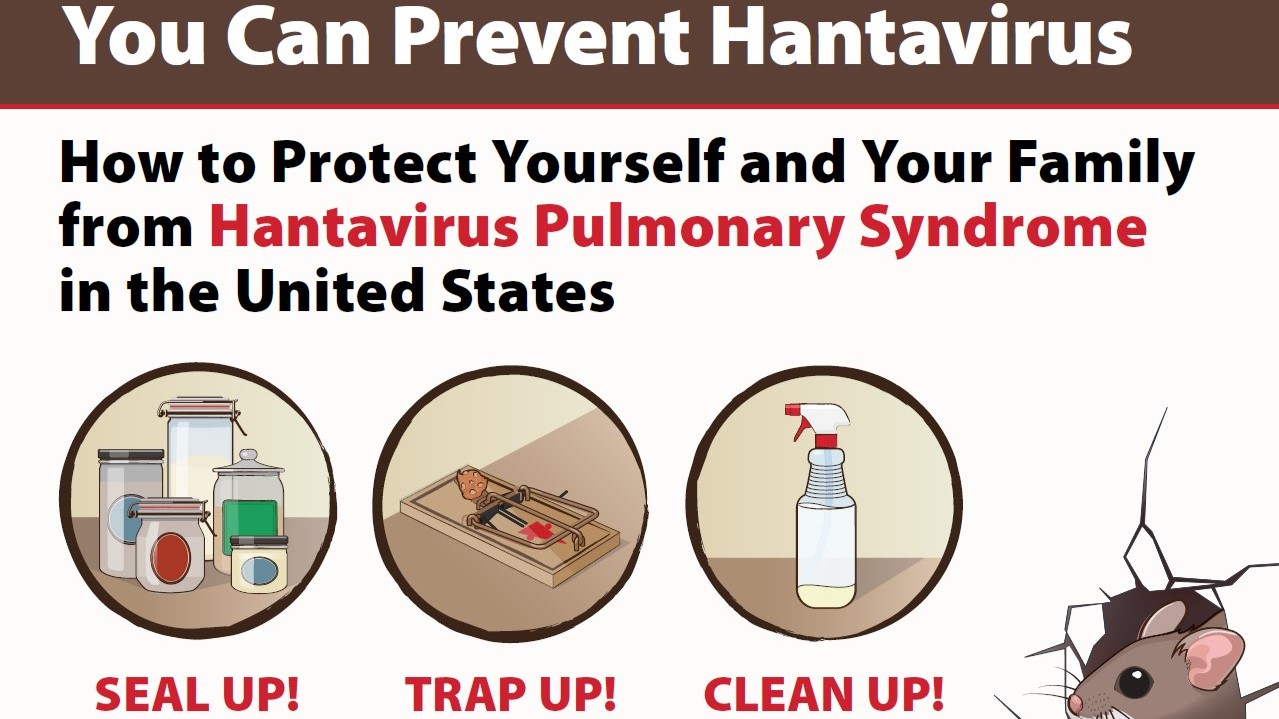
The virus, a highly aggressive strain of hantavirus, transmits through the inhalation of aerosolized particles from rodent excreta. While most outbreaks remain contained to rural outbuildings or isolated cabins, the scale of this landfill created a massive biological engine. The birdwatcher acted as the catalyst, carrying the pathogen back into a high-density community before symptoms even surfaced. This case study highlights a terrifying reality of modern epidemiology. Our waste management failures are no longer just an eyesore or a local nuisance. They are becoming the primary breeding grounds for the next generation of pandemic threats.
The Geography of a Biological Collapse
The landfill in question was never designed to handle the volume of waste it currently holds. Over the last decade, regulatory oversight vanished, leaving a mountain of organic and chemical refuse to fester. This environment created a perfect storm for the Rattus norvegicus population. Unlike natural ecosystems where predators keep rodent numbers in check, this site provided infinite calories and zero threats.
When birdwatchers and nature enthusiasts visit these peripheral zones, they often underestimate the danger underfoot. Dry conditions at the site allowed the virus-laden dust to become airborne with the slightest footfall. The patient zero in this instance likely inhaled a concentrated dose of the pathogen while navigating the edge of a stagnant runoff pool. By the time they felt the first tremors of a fever, the window for containment had already slammed shut.
The public often views landfills as static graveyards for our discarded lives. They are not. They are vibrant, shifting bioreactors. The fermentation of organic waste produces heat, which keeps rodent colonies active and breeding even through the coldest winter months. This constant activity ensures that the viral load within the colony remains high, creating a permanent reservoir of disease that is only one human interaction away from a spillover.
Why Standard Containment Protocols Failed
Health authorities reacted with a playbook designed for the 1990s. They focused on domestic pest control and urban sanitation, missing the fact that the source was miles outside the city limits. This lag allowed the virus to establish multiple chains of transmission within the patient’s social and professional circles.
The specific strain identified is more resilient than its predecessors. Most hantaviruses degrade quickly when exposed to direct sunlight or high temperatures. This variant, however, appears to have mutated a more robust protein coat, allowing it to survive in the soil of the landfill for weeks. The birdwatcher did not even need to handle a rat. They simply had to exist in the same airspace.
The Mechanics of Zoonotic Spillover
Zoonosis occurs when a pathogen jumps from an animal host to a human. This usually requires a high "force of infection," which is a product of host density and the prevalence of the virus. At the "end of the world" landfill, the force of infection was off the charts.
- Host Density: Estimates suggest the rat population exceeded 50,000 per acre in the core of the site.
- Viral Prevalence: Sampling post-outbreak showed that nearly 40% of the trapped rodents carried the virus.
- Human Encroachment: As urban housing prices soar, people are moving closer to these industrial wastelands, increasing the frequency of contact.
When these three factors intersect, an outbreak is not a possibility. It is a mathematical certainty. The birdwatcher was merely the first person to be in the wrong place at the peak of the viral cycle.
The Failure of the "Buffer Zone"
Historically, city planners maintained "dead zones" around landfills—areas of non-residential land that prevented human-animal conflict. In the rush for development, these buffers have been eroded. Walking trails, photography spots, and even low-income housing now sit directly adjacent to sites that were once considered radioactive in a social sense.
The patient zero was not a reckless individual. They were a hobbyist using public land that appeared safe. The lack of signage or physical barriers at the landfill reflects a broader systemic negligence. We have treated our waste as a problem that disappears once the truck leaves the curb. We are now learning that waste has a long, dangerous memory.
The medical community was also caught off guard by the symptoms. The early stages of this rat virus mimic a standard seasonal flu—body aches, fatigue, and a dry cough. However, the progression to pulmonary edema is rapid. Within 48 hours of the first symptom, the lungs of the infected begin to fill with fluid. By the time the birdwatcher reached the emergency room, their oxygen saturation was already at critical levels, and they had already exposed dozens of healthcare workers.
Redefining Infrastructure as Healthcare
We must stop viewing trash as a logistics issue and start viewing it as a primary pillar of public health. A leaking landfill is as dangerous as a contaminated water main or a broken sewer line. The "end of the world" site was a known quantity to local environmental groups for years, yet no action was taken because it did not fit the traditional definition of a medical threat.
The cost of cleaning up these sites is high. The cost of a localized shutdown and the loss of life is infinitely higher. To prevent the next spillover, we need a complete overhaul of how we monitor "fringe" environments. This includes:
- Bio-surveillance of rodent populations in industrial zones to detect viral mutations before they reach humans.
- Strict enforcement of perimeter security at all waste processing facilities to prevent recreational access.
- Mandatory environmental impact studies that prioritize viral risk over simple groundwater contamination.
The birdwatcher survived, but the community they inadvertently infected is still reeling. The trauma of being "patient zero" in a deadly outbreak is a heavy burden, but the blame lies with the bureaucrats who allowed a toxic wasteland to become a biological incubator.
The Myth of the Isolated Event
There is a comforting lie that this was a freak occurrence. It was not. Across the country, hundreds of similar sites are reaching a breaking point. The combination of increased rainfall—which flushes rodents out of their burrows and into contact with humans—and decaying containment liners is creating a nationwide network of potential outbreak centers.
The virus does not care about property lines or municipal budgets. It only cares about finding a new host. If we continue to ignore the massive piles of filth accumulating on the edges of our civilization, we are effectively inviting the next plague into our living rooms. The birdwatcher was the warning shot. We would be wise to listen to the silence that follows.
Stop looking for the next threat in a test tube. Look in the shadow of the trash heaps we built and then forgot. The solution is not more hand sanitizer or better masks. It is the immediate, aggressive remediation of the environmental scars we have left open to the air. Every day a landfill sits unmanaged is another day we gamble with the lives of everyone in a fifty-mile radius. Fix the dirt, or prepare for the fever.