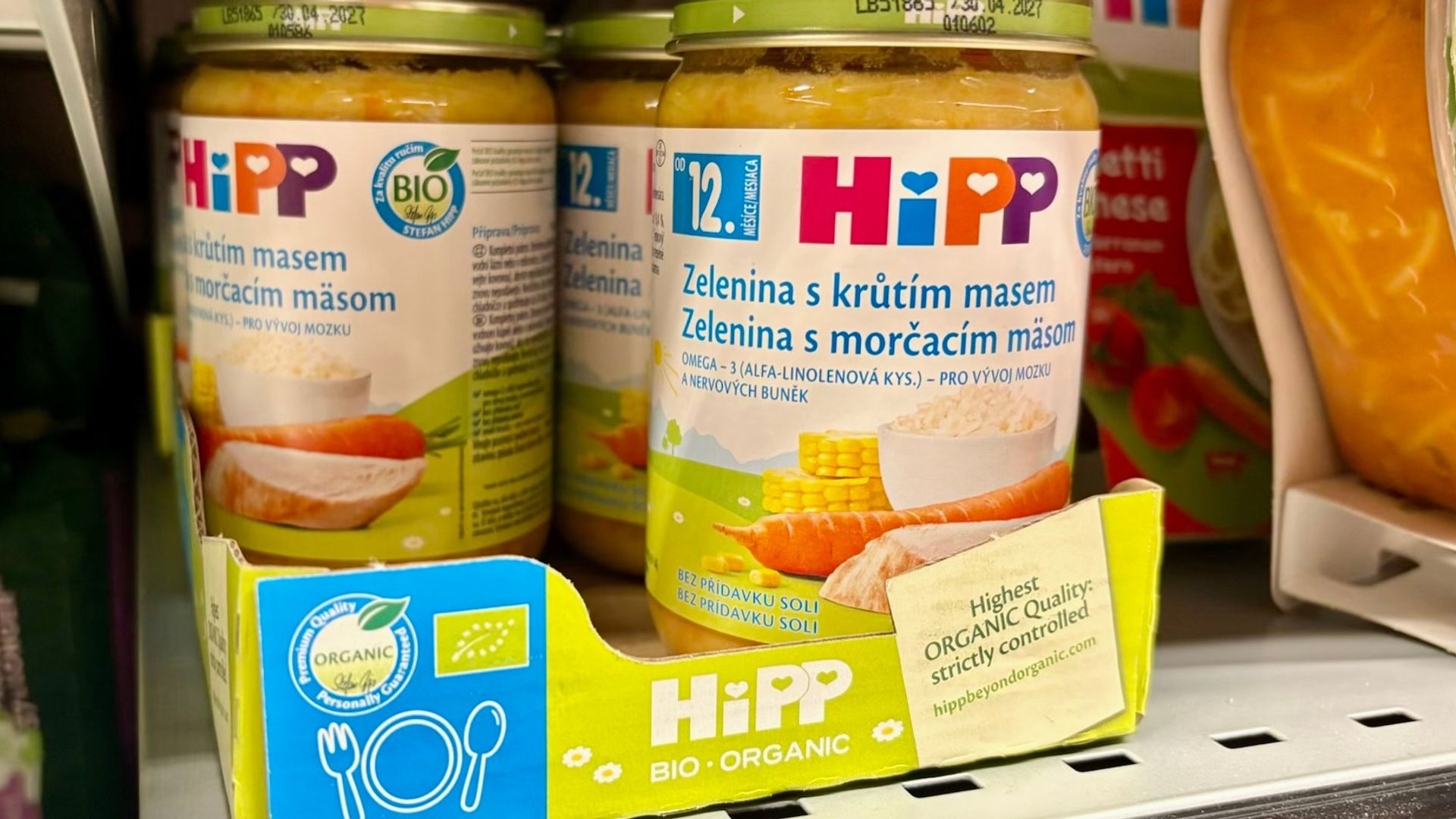
The safety of what we feed our children isn't something we should ever have to question. Yet, the news of a man arrested after rat poison was discovered in baby food jars has sent a shockwave through every kitchen in the country. It’s terrifying. One day you’re grabbing a jar of puree from a shelf, and the next, you’re reading about a criminal investigation into intentional contamination. This isn't just a random act of shoplifting or a manufacturing error. It’s a targeted attack on the most vulnerable members of society. You need to know the facts of the case, the signs of tampering you’ve likely been ignoring, and how the retail industry is forced to change because of this.
What Happened in the Baby Food Contamination Case
A 23-year-old man was taken into custody after a multi-agency investigation linked him to several jars of baby food laced with rodenticide. This happened across multiple retail locations, suggesting a calculated effort rather than a one-time lapse in judgment. Investigators found that the jars had been opened, spiked with the toxic substance, and then placed back on the shelves to be sold to unsuspecting parents.
When the news broke, the primary concern was how quickly these products could be identified. Law enforcement worked with retailers to pull specific batches from the shelves, but the damage to public trust was already done. Rat poison, or rodenticide, often contains anticoagulants like brodifacoum or warfarin. In small bodies, these chemicals are devastating. They stop blood from clotting. They cause internal bleeding. They can be fatal if not caught immediately.
The suspect's motives remain under investigation, but the legal consequences are clear. He faces multiple counts of tampering with a consumer product and making false statements to authorities. The FBI and local police departments have made it clear that this level of public endangerment carries some of the heaviest prison sentences available under federal law.
The Reality of Retail Security Gaps
You might think stores have enough cameras to stop this. They don't. While high-end electronics and pharmacy counters are watched like hawks, the baby food aisle is often a "blind spot" in many grocery layouts. It's high-volume, low-margin stuff. Retailers haven't historically viewed a $2 jar of mashed carrots as a high-risk security target.
That's a massive mistake.
This case proves that "soft targets" in grocery stores are a goldmine for those looking to cause harm or chaos. Most grocery store security is designed to stop people from taking things out without paying, not to stop people from putting things into the products. We're seeing a shift in how store managers view their "shrinkage" protocols. It’s no longer just about the bottom line. It’s about liability and literal life and death.
If you’ve noticed more stores moving baby formula and high-end baby food behind plexiglass or using "click-and-collect" models, this is why. The era of the open, unmonitored grocery shelf is dying, and honestly, it’s about time.
How to Spot a Tampered Jar Every Single Time
You can't rely on the store to catch everything. You're the last line of defense for your kid. Most people just check the expiration date and toss the jar in the cart. You’ve got to do more than that.
First, look at the "safety button" on the lid. This is the most basic check. If that little metal circle in the middle of the cap is popped up, the vacuum seal is broken. Don't buy it. Don't even leave it on the shelf for someone else to grab—hand it to a manager. A "popped" lid means the jar has been opened, whether by a malicious actor or just a bad seal. Either way, the contents are compromised.
Second, check the plastic shrink wrap. Many brands now use a full-neck sleeve. If it’s jagged, missing, or looks like it’s been glued back on, leave it. People who tamper with products often try to make things look "normal," but they rarely get the plastic heat-shrink right.
Third, look for "needle pricks." This is a more sophisticated form of tampering. Check the lid and the label for tiny holes. If someone is injecting a substance into a product, they’ll go through the softest part of the packaging. It’s rare, but it happens. If the jar looks "wet" around the lid or has a sticky residue that doesn't match the food inside, it's a red flag.
Why Manufacturers Must Rethink Packaging
The food industry has been coasting on the Tylenol murders' legacy of safety for decades. In 1982, seven people died after taking cyanide-laced capsules. That gave us the foil seals and "tamper-evident" packaging we use today. But it's 2026. Criminals are getting more creative, and our packaging needs to catch up.
We need more than just a vacuum seal. Some tech companies are pushing for smart labels that change color if the internal pH of the food shifts or if oxygen enters the container. Others want unique QR codes on every single unit that can be scanned to verify its journey from the factory to the shelf.
It sounds expensive. It is. But compared to the cost of a nationwide recall or a wrongful death lawsuit, it's a bargain. The public is tired of "thoughts and prayers" when it comes to food safety. We want engineering that makes it physically impossible to mess with a product without it being obvious.
Toxic Symptoms Parents Must Know
If the unthinkable happens and a child consumes contaminated food, time is the only thing that matters. Rodenticide poisoning doesn't always show up immediately. Depending on the chemical, it might take a day or two for symptoms to manifest.
Watch for unusual bruising. If your baby has bruises in spots where they haven't bumped themselves, or if a small scratch won't stop bleeding, that's a massive red flag for anticoagulant poisoning. Nosebleeds, bleeding gums, or blood in the diaper are all signs of a medical emergency.
Don't wait. Don't "monitor it." If you suspect tampering, get to the ER and bring the jar with you. The hospital can run a toxicology screen, but they need to know what they're looking for. Having the container allows them to test the residue and identify the specific toxin.
The Future of the Grocery Aisle
Expect to see a lot more friction in your shopping experience. It's annoying to wait for an associate to unlock a cabinet so you can buy peaches for your toddler, but that’s where we’re headed. The open-shelf model is a relic of a more trusting time.
Retailers are also leaning into AI-powered surveillance that flags "unusual behavior." This means the cameras aren't just looking for someone stuffing a steak down their pants. They're looking for someone who spends five minutes lingering in the baby food aisle without actually picking anything up, or someone who is seen placing items back on the shelf in an odd way. It’s a bit Big Brother, sure, but if it keeps poison out of the pantry, most parents will take that trade-off.
Start being the person who inspects every single item. Don't feel bad about being "that person" at the grocery store. Check the seals. Listen for the "pop" when you open the jar at home. If it doesn't make that sound, throw it out. It’s better to lose two dollars than to risk a trip to the ICU.
The man in this case is behind bars, but he won't be the last person to try something like this. The "copycat" effect is real in these types of crimes. Stay cynical about your shopping. It’s the only way to stay safe.