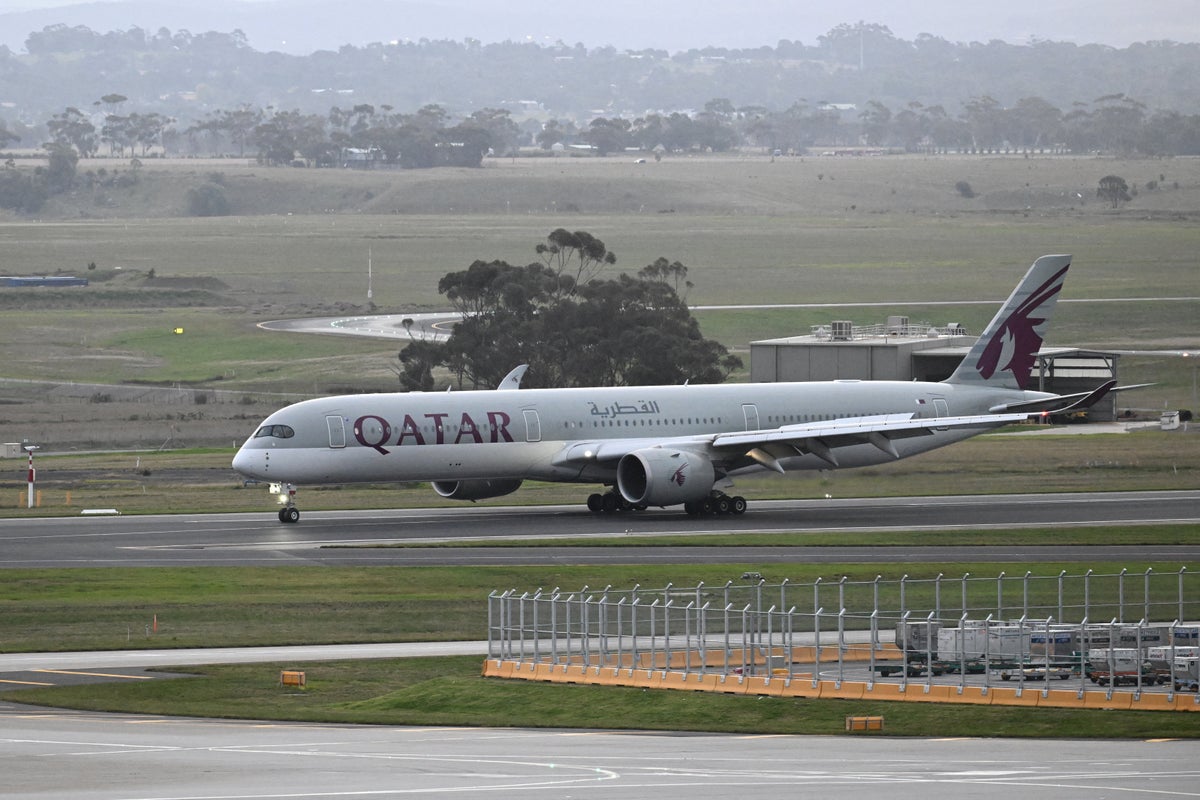
You’ve likely seen the headlines about "ISIS brides" landing at Sydney and Melbourne airports this week. It’s a messy, polarizing situation that’s been brewing for years. On Thursday, May 7, 2026, a group of four Australian women and nine children finally touched down on home soil after living in the Al-Roj detention camp in northeast Syria. But don't expect a warm welcome or a government-funded shuttle bus.
The Australian government has basically washed its hands of the logistics. Home Affairs Minister Tony Burke made it clear that while these people are citizens and have a legal right to enter, they aren't getting a cent of taxpayer help to get here. It’s a massive shift from the 2022 repatriations where the government actively chartered flights. This time, the families had to figure out their own way out of a war zone.
The hard line at the arrival gate
If you think these women are just sliding back into suburban life, think again. The Australian Federal Police (AFP) were waiting the moment those cabin doors opened. Commissioner Krissy Barrett confirmed that arrests were expected immediately for some, while others are under active, ongoing investigation.
We aren't just talking about a stern talking-to. These women face potential charges for "entering or remaining in a declared area" under Section 119.2 of the Criminal Code. That’s a heavy-weight charge that can carry up to 10 years in prison. Police are also looking at much darker possibilities, including crimes against humanity and involvement in slave trading.
The government’s stance is simple: you made your bed, now you sleep in it. Tony Burke called their original decision to travel to Syria "appalling and disgraceful." By refusing to assist with the travel, the government is signaling to the public that they haven't forgotten or forgiven the choice to join a caliphate that spent years terrorizing the globe.
Why the kids are the real victims here
Among the 13 returnees, nine are children. These kids didn't choose to go to Syria. Most were born there or taken there as toddlers by parents who prioritize ideology over safety. They’ve spent the last several years in Al-Roj, a place that’s basically a high-security prison with tents.
- Reintegration is the priority: Unlike the adults, the children are being funneled into specialized support programs.
- Mental health focus: Most have seen things no child should see. They’ll need intensive psychological help to de-radicalize and adjust to a world that doesn't involve drone strikes or extremist guards.
- The separation dilemma: If their mothers are hauled off to Silverwater or Barwon Prison, these kids face a second trauma. It’s a nightmare for social workers trying to balance national security with child welfare.
The legal loophole that forced the government's hand
You might wonder why we let them back at all. Honestly, it’s because the law doesn't give the government much choice. If you’re an Australian citizen and you show up at the border with a valid passport, the government can't just block you from entering your own country.
Earlier this year, the government tried to use Temporary Exclusion Orders (TEOs) to stall a larger group of 34 people. But TEOs are only a temporary fix. Eventually, the clock runs out. The US-backed Syrian Democratic Forces (SDF) have been guarding these camps for years, and they're over it. They’ve been pushing Western nations to take their people back because the camps are becoming impossible to secure.
National security vs. human rights
The political landscape in Australia is fractured on this. On one side, you have the opposition arguing that bringing these individuals back is a direct threat to our way of life. They want tougher bans and immediate incarceration. On the other side, human rights groups and the UN have been screaming for years that leaving Australians in "squalid and life-threatening" camps is a violation of international law.
The reality is somewhere in the middle. Leaving them in Syria creates a long-term security risk. If those camps collapse—which they nearly did earlier this year—you have dozens of radicalized people vanishing into the shadows of the Middle East. At least if they’re in Sydney or Melbourne, the AFP knows exactly where they are.
What happens next
Expect a series of high-profile court appearances over the coming weeks. The AFP has been building these briefs for over a decade. They aren't going to miss their shot. For the women not immediately charged, expect "control orders" that dictate who they can talk to and where they can go.
If you're following this story, watch for the bail hearings. In past cases, like Mariam Raad’s in 2023, bail conditions were incredibly strict—no passports, no extremist propaganda, and constant check-ins. This is the new normal for the Al-Roj returnees. The government isn't helping them get home, but they’ll certainly be watching every move they make now that they're here.
Check the latest AFP media releases if you want to track specific charges as they’re laid. The legal battle over what these women knew and when they knew it is just getting started.