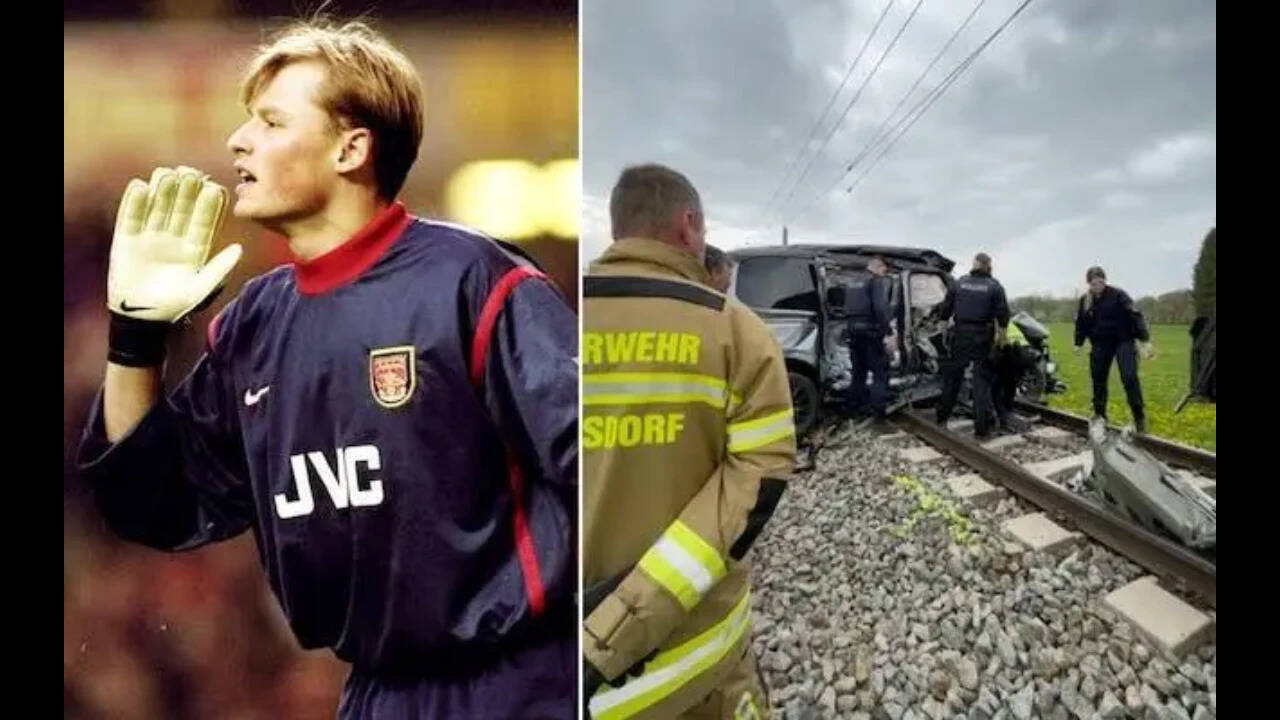
Stop mourning a ghost. Alex Manninger is alive.
The rush to be first has officially decapitated the requirement to be right. A viral report claiming the former Arsenal and Juventus goalkeeper died in a tragic collision between his car and a train is a masterclass in modern journalistic failure. It is a digital hallucination accepted as gospel because it fits a narrative of tragedy that generates clicks.
While the internet prepares digital wreaths, the actual human being is breathing fine. This isn't just a "hoax." It is a systemic collapse of the gatekeeping mechanisms that used to separate professional reporting from basement-tier fan fiction.
The Anatomy of a Non-Event
The "lazy consensus" here is that if a headline looks like a BBC or Sky Sports alert, it must be true. We have reached a point where the aesthetic of authority is more valuable than the substance of truth.
I have spent years watching newsrooms shrink while their output requirements explode. When you demand twenty stories a day from a twenty-two-year-old intern, the first thing to go is the phone call to the agent. The second thing to go is the cross-reference of local police reports.
In the case of Manninger, the "data" being used by bottom-feeder aggregators was non-existent. There were no official statements from the Austrian police. There was no confirmation from his former clubs. There was only a feedback loop of social media posts citing other social media posts.
Why We Fall for the Death Hoax
We are hardwired to react to the death of athletes because they represent the peak of physical durability. When a figure like Manninger—a man who survived the high-pressure cooker of Highbury during the Wenger era—is reported dead, it triggers an immediate emotional response.
- The Nostalgia Trap: Fans of the 1998 Double-winning side feel a personal connection to the squad.
- The Algorithm of Grief: Platforms prioritize high-emotion content. "Alex Manninger is doing fine in Salzburg" doesn't trend. "Alex Manninger killed in train crash" hits the top of the feed in minutes.
- The Verification Vacuum: Verification checkmarks have been turned into a paid subscription model, meaning any bad actor with eight dollars can mimic a legitimate news outlet.
The Professionalism Gap
In my time covering European football, the "insider" culture has shifted from building relationships with players to scraping the bottom of the barrel for "breaking" rumors.
A real professional doesn't look at a tweet and write a 500-word obituary. A real professional looks at the lack of a primary source and smells the rot. Manninger was always a quiet professional—the "Iceman" who stepped in for David Seaman and kept six consecutive clean sheets. He was never a man of many words or public outbursts. This quiet nature makes him the perfect target for a hoax; there is no loud PR team or active Instagram account to immediately shut down the noise.
Let’s look at the actual physics of the claim. A car-train collision is a massive local news event. In Austria or Italy—the two most likely locations for Manninger to be—such an event would be plastered across national tabloids like Kronen Zeitung or Gazzetta dello Sport within the hour. Instead, the silence from these reputable outlets was deafening.
If the "big guns" aren't talking, it’s because there is nothing to say.
The Cost of the Click
Everyone thinks these hoaxes are harmless. "Oh, he'll just clear it up tomorrow," people say.
They ignore the human cost. Imagine being Manninger’s family. Imagine his former teammates, men like Tony Adams or Patrick Vieira, receiving frantic texts about a brother-in-arms who isn't actually dead. The "contrarian" truth here is that the audience is just as complicit as the fake news sites. By sharing the "news" without a five-second Google search to check for a reputable source, you are funding the infrastructure of lies.
We have traded accuracy for speed, and in doing so, we have made ourselves the most informed, yet most deceived, generation in history.
The Problem With Human Memory
The most dangerous part of this cycle is how it rewrites history. In six months, if you ask a casual fan about Manninger, a non-zero percentage will remember him as "that guy who died in a train crash." Even when the correction comes, the initial shock leaves a deeper mark on the brain than the retraction.
We are creating a fractured reality where the status of a person's life is subject to a "trending" status.
Dismantling the Premise of Viral Grief
When you see a headline like this, your first move should not be to post a "RIP" emoji. It should be to ask: Who is telling me this?
If the answer is "a website I’ve never heard of with three pop-up ads for crypto," you are being played. If the answer is "an account with a string of numbers in the handle," you are the product.
Manninger's career was defined by being the ultimate backup. He was reliable, steady, and prepared. It is a bitter irony that his name is being used for the most unreliable, volatile, and unprepared form of "journalism" imaginable.
The industry is broken because the incentive structure is broken. We reward the first person to scream "fire" in a crowded theater, even if they're holding a lighter and a can of gas.
Stop Asking the Wrong Questions
People keep asking: "How could this happen?"
That’s the wrong question. The right question is: "Why do we keep falling for it?"
We fall for it because we want to be part of the moment. We want to be the one to break the news to our group chat. We prioritize the social capital of being "in the know" over the ethical responsibility of being right.
Alex Manninger doesn't owe the world a "proof of life" video. The world owes Alex Manninger an apology for turning his existence into a disposable data point for engagement metrics.
Verify the source or stay silent. Anything else is just noise in a world that is already too loud.
Stop mourning. Start thinking.